
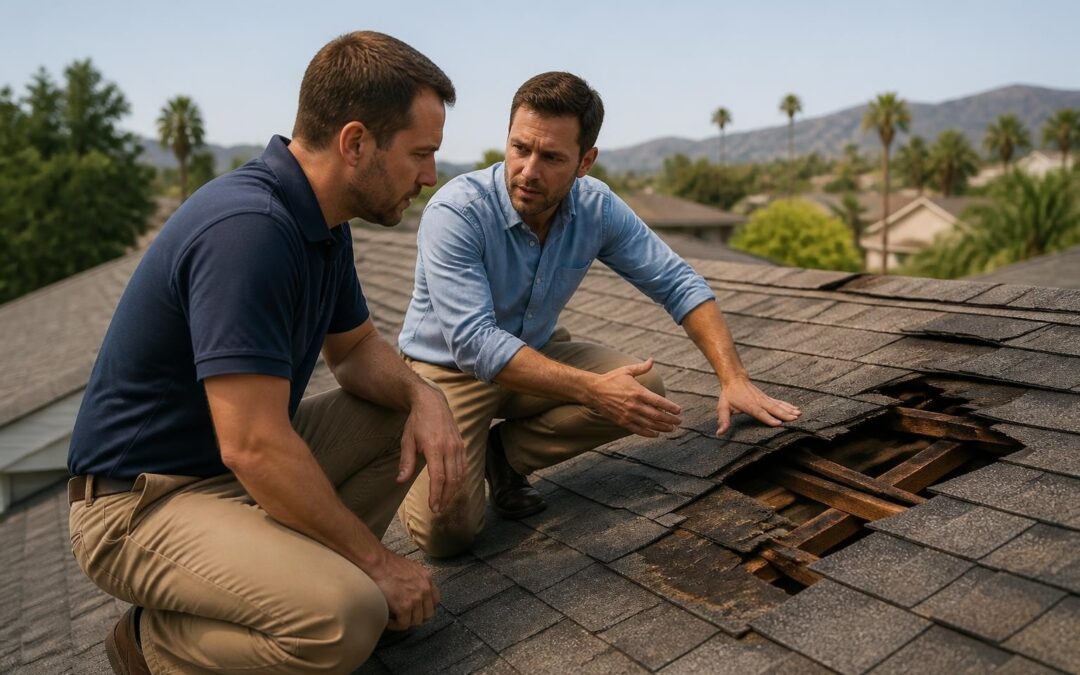
When you notice a small leak, missing shingle, or minor damage to your roof, acting quickly can save thousands of dollars in future repairs. Many homeowners search for "small roof repair near me" hoping to find reliable local contractors who can address these issues before they escalate into major problems. Understanding what constitutes a minor repair, knowing when to call professionals, and learning how to evaluate local roofing companies can help you make informed decisions that protect your home and your wallet. This guide provides the essential information Los Angeles area homeowners need when seeking small roof repair services in their community.
Recognizing When You Need Small Roof Repairs
Most small roof repairs start with subtle warning signs that homeowners might overlook during daily routines. Water stains on ceilings, curled or cracked shingles, granules accumulating in gutters, and daylight visible through roof boards all indicate minor issues requiring immediate attention.
Early detection makes the difference between a simple patch job and extensive structural repairs. Regular visual inspections from ground level every few months help you spot these problems before they worsen. After significant weather events, checking your roof becomes even more critical since wind and rain often expose vulnerabilities in aging roofing materials.
Common Types of Minor Roof Damage
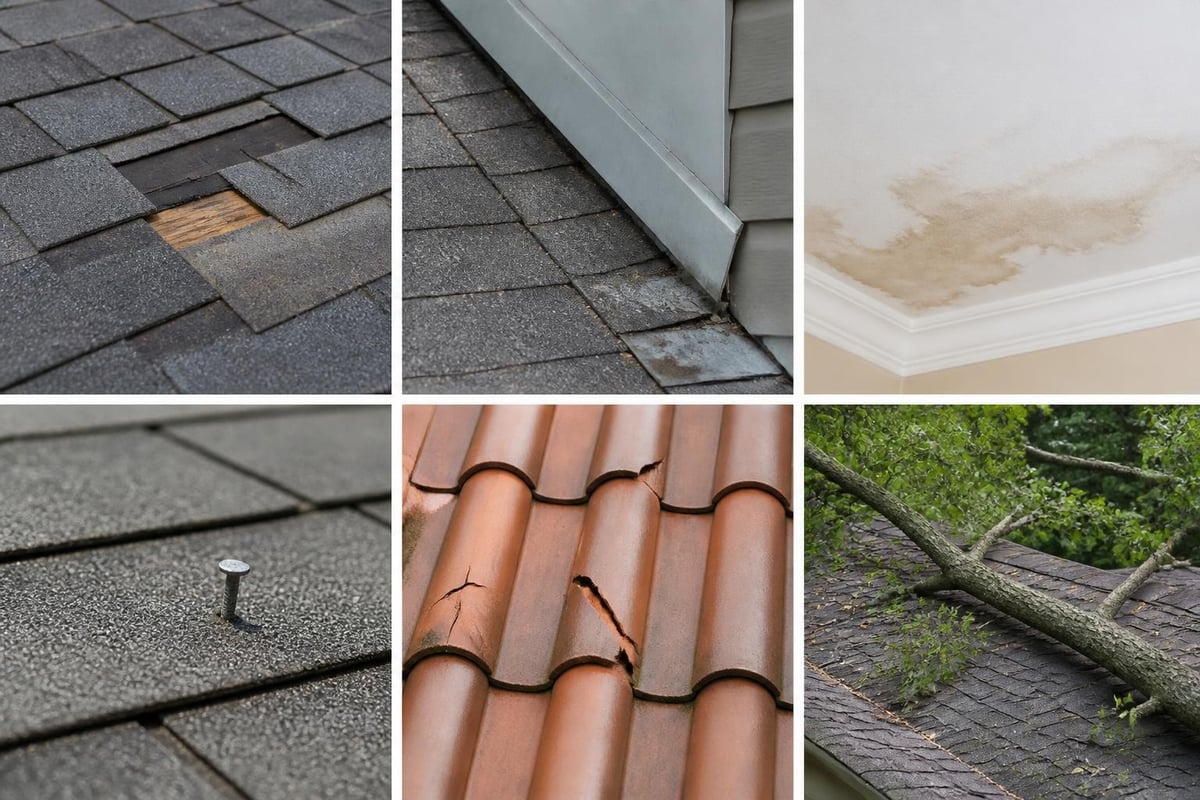
Small roof repairs typically fall into several distinct categories that local contractors handle regularly:
- Missing or damaged shingles from wind exposure or natural wear
- Flashing deterioration around chimneys, vents, and skylights
- Small leaks at penetration points or valley intersections
- Nail pops that create minor punctures in the roofing material
- Cracked or broken tiles on clay or concrete tile roofs
- Minor storm damage affecting limited roof sections
Understanding these categories helps you communicate effectively with contractors when requesting estimates. Each repair type requires different materials, techniques, and time commitments, which directly impacts pricing and scheduling.
Finding Reliable Local Roof Repair Contractors
The search for "small roof repair near me" yields numerous results, but not all contractors offer the same quality, reliability, or value. Establishing criteria for evaluation helps you separate professional companies from unreliable operators who might compromise your home's integrity.
Start by verifying that contractors hold proper licensing and insurance coverage for California roofing work. Los Angeles County requires specific credentials, and legitimate companies readily provide proof of these qualifications. Insurance protects you from liability if accidents occur during repairs on your property.
Key Factors in Contractor Selection
| Evaluation Criteria | What to Look For | Red Flags |
|---|---|---|
| Licensing | Current California contractor license | Reluctance to provide license number |
| Insurance | General liability and workers' compensation | Expired or inadequate coverage |
| Experience | 5+ years in business, local references | New company with no track record |
| Reviews | Consistent positive feedback across platforms | Mostly negative reviews or no online presence |
| Warranty | Written guarantees on labor and materials | Verbal promises only |
Online reviews provide valuable insights but require careful interpretation. Look for patterns across multiple platforms rather than focusing on individual complaints. Companies with hundreds of reviews and ratings above 4.5 stars generally demonstrate consistent quality and customer satisfaction.
Local expertise matters significantly in the Los Angeles area, where diverse roof types and unique climate conditions require specialized knowledge. Contractors familiar with regional building codes, common architectural styles, and weather patterns deliver better results than companies new to the area.
Understanding Repair Costs and Getting Fair Estimates
Pricing for small roof repairs varies widely based on damage extent, material requirements, roof accessibility, and contractor overhead. In the Los Angeles metropolitan area, minor repairs typically range from $150 for simple shingle replacement to $1,500 for more complex flashing repairs or multiple issue resolution.
Getting multiple estimates helps establish fair market pricing for your specific needs. Request detailed written quotes that itemize materials, labor, disposal fees, and any additional charges. This transparency allows for accurate comparisons between contractors and prevents surprise costs after work begins.
What Influences Small Repair Pricing
Several factors affect the final cost when contractors evaluate your roof damage:
- Material matching requirements for discontinued or specialty products
- Roof pitch and height affecting safety equipment needs and labor time
- Extent of underlying damage discovered during initial repairs
- Accessibility challenges from landscaping, architectural features, or parking limitations
- Permit requirements for certain types of repairs in Los Angeles County
- Timing and urgency of needed repairs, especially during peak seasons
Homeowners should maintain perspective on repair costs relative to replacement expenses. Understanding when to repair versus replace your roof helps you make economically sound decisions that balance immediate needs with long-term planning.
DIY Repairs Versus Professional Services
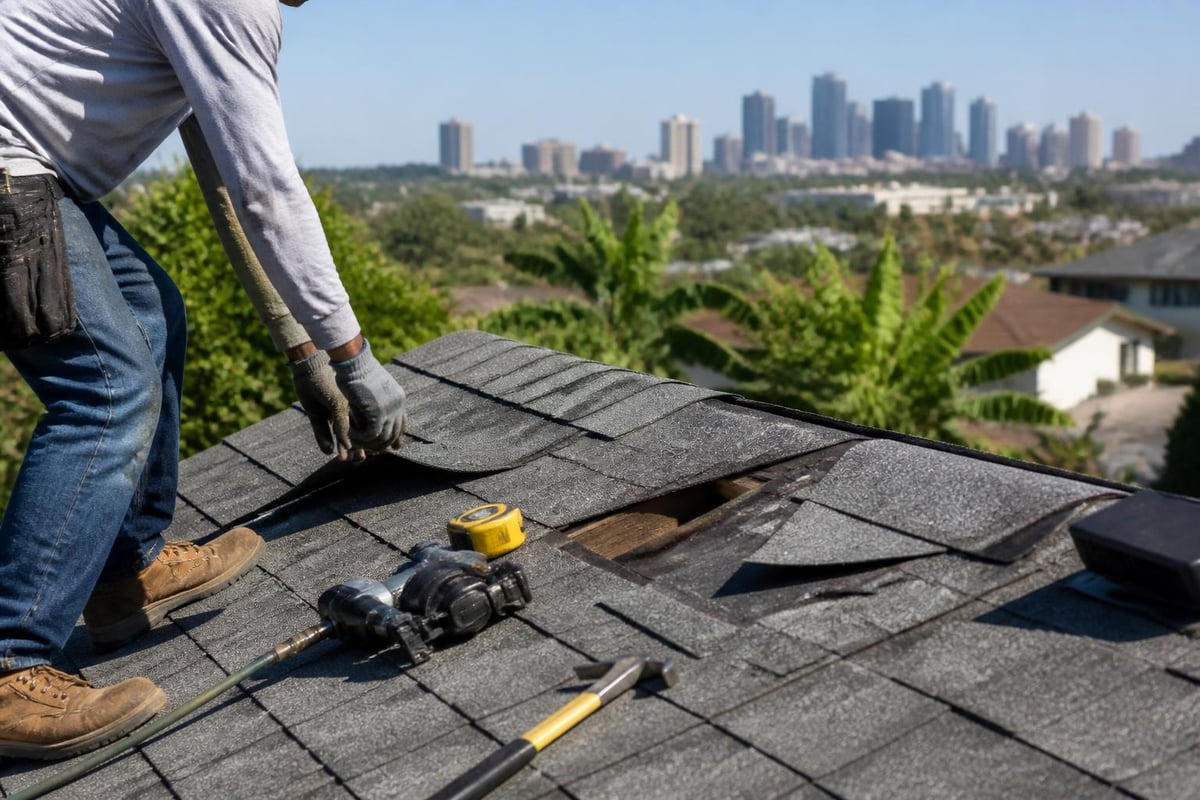
The temptation to handle small roof repairs independently appeals to cost-conscious homeowners, but this approach carries significant risks. Safety concerns top the list of reasons to hire professionals for most roofing work, even minor repairs. Falls from roofs cause thousands of injuries annually, and homeowners lack the training, equipment, and insurance protection that professional roofers maintain.
Proper safety measures when working on roofs require specialized equipment including harnesses, anchor points, and proper footwear that most homeowners don't possess. Beyond safety issues, inexperienced repairs often create additional problems by using incorrect materials, improper installation techniques, or failing to address underlying causes of visible damage.
Tasks Better Left to Professionals
Certain repairs should always be handled by licensed contractors:
- Flashing repairs around chimneys, skylights, and roof valleys
- Structural repairs involving decking, rafters, or trusses
- Multi-layer shingle replacement on older roofs
- Leak diagnosis requiring specialized detection equipment
- Valley repairs in complex roof geometries
- Warranty-covered repairs that require authorized contractors
Professional contractors bring expertise that extends beyond basic repair techniques. They identify hidden damage, recommend preventive measures, and guarantee their work through written warranties. When searching for "small roof repair near me," you're investing in this professional knowledge and the peace of mind it provides.
For homeowners who insist on DIY approaches, seasonal maintenance tasks like gutter cleaning and visual inspections represent safer alternatives that contribute to roof longevity without the risks associated with actual repairs.
Timing Your Roof Repair Search Strategically
Weather patterns and seasonal demand significantly impact both the urgency and cost of small roof repairs. Los Angeles experiences most rainfall between November and March, making this period critical for identifying and addressing leaks before they cause interior damage.
Scheduling repairs during dry months offers several advantages. Contractors have more flexible schedules, materials cure properly in warm conditions, and you avoid the premium pricing that emergency repairs during storms command. However, delaying obvious damage risks progressive deterioration that transforms minor issues into major problems.
Seasonal Considerations for Roof Repairs
| Season | Advantages | Disadvantages | Best For |
|---|---|---|---|
| Spring | Mild weather, contractor availability | Approaching rainy season | Non-urgent repairs |
| Summer | Optimal working conditions, material curing | Peak demand, higher temperatures | Major projects |
| Fall | Good weather, pre-winter preparation | Increasing demand | Preventive maintenance |
| Winter | Lower demand, possible discounts | Rain delays, limited dry days | Emergency repairs only |
Emergency situations require immediate professional attention regardless of season or cost. Active leaks, significant storm damage, or structural concerns demand urgent responses to prevent further deterioration and protect your home's interior from water damage.
Material Selection for Long-Lasting Repairs
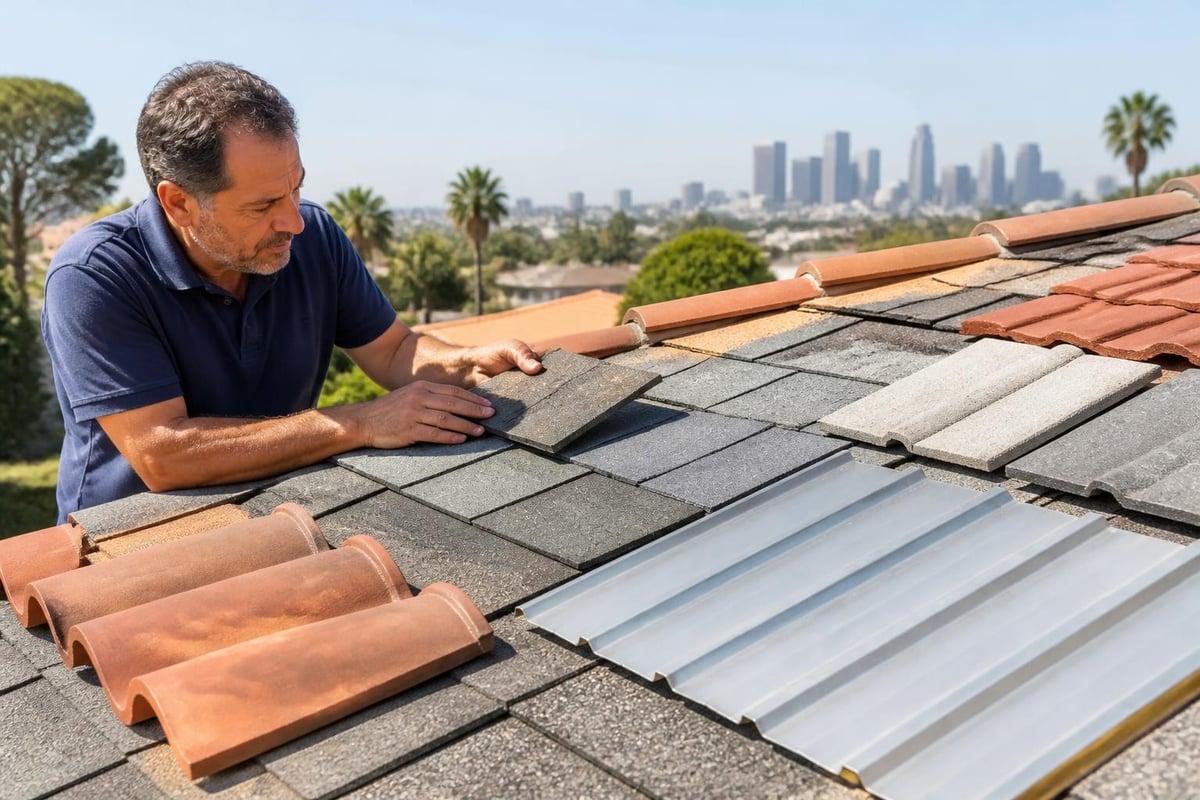
Matching existing roofing materials ensures both functional performance and aesthetic consistency. The wrong materials compromise repair integrity and create visible patches that detract from your home's appearance. Los Angeles homes feature diverse roofing types including asphalt shingles, clay tiles, concrete tiles, and metal roofing, each requiring specific repair approaches.
Asphalt shingles remain the most common residential roofing material in the region, offering affordability and relatively straightforward repair processes. When contractors replace individual shingles, they must match color, texture, and quality to blend seamlessly with surrounding areas. Discontinued product lines sometimes necessitate creative solutions or larger repair areas to maintain uniformity.
Proper material selection extends beyond matching appearances. Climate considerations influence which products perform best in Southern California's unique environment. UV resistance, thermal expansion properties, and wind rating become critical factors that professionals evaluate when recommending repair materials.
Questions to Ask Before Hiring
Informed questioning protects homeowners from substandard work and unexpected costs. Before committing to any contractor, establish clear expectations through direct communication about their processes, timelines, and business practices.
Essential questions should cover:
- How long have you operated in the Los Angeles area?
- What specific experience do you have with my roof type?
- Will you obtain necessary permits for this work?
- Who will actually perform the repairs on my property?
- What warranty do you provide on labor and materials?
- How do you handle additional damage discovered during repairs?
- What is your typical timeline from contract signing to completion?
- How do you protect my property and landscaping during work?
Professional contractors welcome these questions and provide detailed, confident answers. Evasive responses or pressure tactics to skip due diligence indicate companies you should avoid. Legitimate businesses understand that homeowners need assurance before authorizing work on their most valuable asset.
Red Flags and Scam Prevention
The roofing industry unfortunately attracts dishonest operators who prey on homeowners' urgency and limited technical knowledge. Recognizing warning signs prevents costly mistakes and protects you from contractors who deliver substandard work or abandon projects after receiving deposits.
Common scams include storm chasers who appear after weather events offering suspiciously low prices, contractors demanding full payment upfront, and companies claiming to have leftover materials from nearby jobs. These operators often lack proper licensing, perform rushed repairs using inferior materials, and disappear when problems emerge.
Warning Signs of Unreliable Contractors
- Arriving unsolicited after storms offering free inspections
- Requesting full payment before starting work
- Operating from unmarked vehicles without business identification
- Offering significant discounts for immediate decisions
- Unable to provide local references or physical business address
- Suggesting unnecessary repairs or inflating damage severity
- Reluctance to provide written contracts or detailed estimates
Legitimate local companies maintain permanent offices, provide references from recent customers, and structure payment schedules that protect both parties. Understanding professional roofing practices helps you identify contractors who prioritize quality and customer satisfaction over quick profits.
Maintaining Your Roof After Repairs
Post-repair maintenance extends the life of both the fixes themselves and your entire roofing system. Regular inspections, prompt debris removal, and addressing minor issues quickly prevent the cycle of recurring repairs that drain homeowner budgets over time.
Establishing a maintenance schedule creates accountability and ensures consistent attention to your roof's condition. Twice-yearly visual inspections, preferably in spring and fall, allow you to monitor repair areas and identify new concerns before they escalate. Document these inspections with dated photographs that track your roof's condition over time.
Preventive Maintenance Best Practices
Simple tasks homeowners can perform safely include:
- Gutter cleaning to ensure proper water drainage away from roof edges
- Debris removal using a leaf blower from ground level
- Tree trimming to prevent branches from abrading roofing materials
- Visual inspections using binoculars to check for obvious damage
- Attic checks for water stains, mold, or daylight penetration
Professional maintenance services complement homeowner efforts by addressing issues beyond safe DIY capabilities. Annual professional inspections provide expert assessment of your roof's overall condition and identify potential problems in early stages when repairs remain minor and affordable.
Working With Insurance for Storm Damage
Insurance coverage for roof repairs depends on policy specifics, damage causes, and proper documentation practices. Most homeowners insurance policies cover sudden, accidental damage from storms, falling trees, or other unexpected events, but exclude gradual deterioration from aging or inadequate maintenance.
When storm damage occurs, document everything thoroughly before making temporary repairs to prevent further damage. Photograph all affected areas from multiple angles, save weather reports from the damage date, and maintain receipts for emergency mitigation expenses.
Insurance Claim Process Steps
- Contact your insurance company immediately after discovering damage
- Document all visible damage with detailed photographs
- Request inspection scheduling from your insurance adjuster
- Obtain independent contractor estimates for comparison
- Review your policy coverage limits and deductible amounts
- Coordinate repair timing with claim approval processes
- Keep detailed records of all communications and decisions
Some roofing contractors assist with insurance claims by providing detailed damage assessments and working directly with adjusters. While this service can streamline the process, ensure that contractors don't pressure you into unnecessary repairs or inflate damage reports to maximize claim payouts.
Local Building Code Compliance
Los Angeles County building codes establish minimum standards for roofing work that protect homeowners and ensure structural integrity. Even small repairs sometimes require permits, depending on damage extent and work scope. Professional contractors familiar with local requirements handle permit applications and ensure compliance throughout repair processes.
Code compliance protects your investment by guaranteeing that repairs meet safety standards and won't create issues during future home sales. Unpermitted work can complicate property transactions and potentially void insurance coverage if discovered after subsequent damage events.
Reputable contractors include permit costs in their estimates and handle all inspection scheduling. This professional oversight ensures that your small roof repairs meet the same quality standards as major installation projects, providing long-term reliability and peace of mind.
Environmental Considerations in Roof Repairs
Sustainable repair practices minimize environmental impact while maintaining roof performance. Proper disposal of old roofing materials, selection of recyclable products when possible, and consideration of energy-efficient options contribute to environmentally responsible home maintenance.
Los Angeles County waste management regulations require proper disposal of construction debris including old shingles, damaged tiles, and contaminated materials. Licensed contractors include disposal costs in their estimates and use authorized facilities that comply with environmental regulations.
Material choices also impact long-term environmental footprints. Reflective roofing materials reduce cooling costs in Southern California's warm climate, while durable products minimize replacement frequency and associated waste generation. Discussing these options with contractors during the estimate process helps you make informed decisions that balance immediate repair needs with broader environmental considerations.
Small roof repairs protect your home from extensive damage when addressed promptly by qualified professionals. Whether you're dealing with missing shingles, minor leaks, or storm damage, finding experienced local contractors ensures quality repairs that extend your roof's lifespan. Proof Your Roof provides comprehensive roofing services throughout Los Angeles and surrounding areas, from minor repairs to complete installations, backed by professional expertise and customer-focused service. Contact their team today for a free estimate on your roofing needs.