
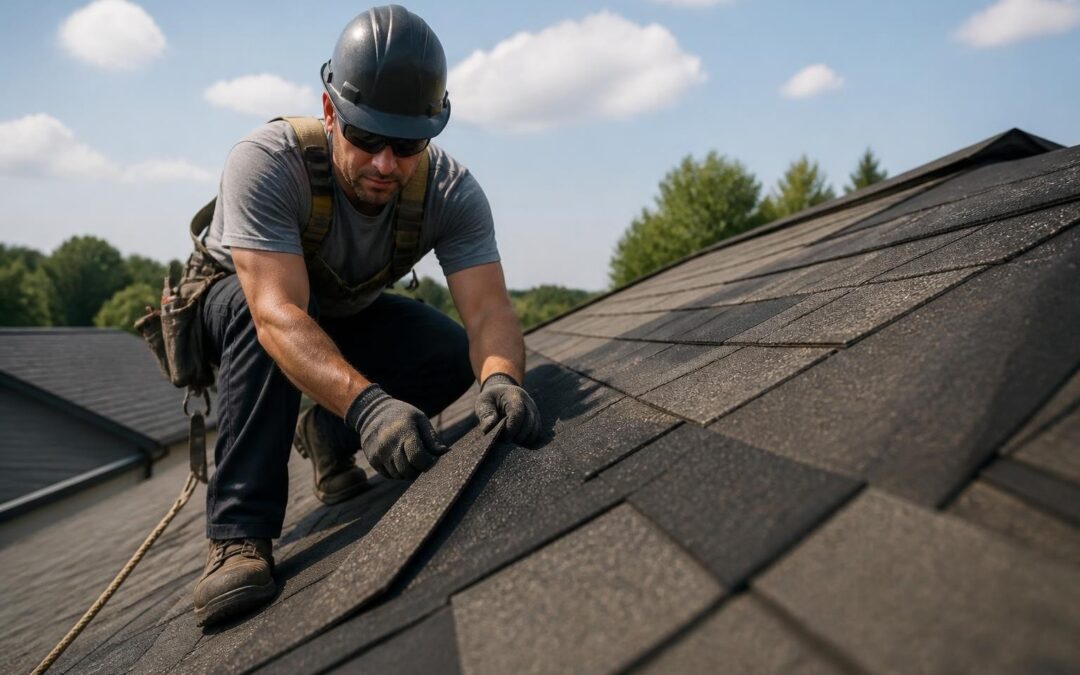
When you invest in your home or commercial property, few decisions carry more weight than selecting the right professionals to protect your most valuable asset. The roofing experts you choose will determine not only the quality of installation or repair but also the longevity, safety, and energy efficiency of your roof system. Understanding what separates true professionals from less qualified contractors can save you thousands of dollars and years of frustration. In 2026, the roofing industry continues to evolve with advanced materials, stricter building codes, and enhanced safety standards that demand expertise and ongoing education from qualified contractors.
What Defines the Roofing Experts
The roofing experts distinguish themselves through a combination of credentials, experience, and commitment to industry best practices. Licensing requirements vary by state, but professional contractors maintain current licenses, comprehensive insurance coverage, and workers' compensation policies that protect homeowners from liability. Beyond basic legal requirements, leading professionals pursue voluntary certifications from manufacturers and industry organizations that demonstrate advanced technical knowledge.
Professional Certifications and Training
Manufacturers such as GAF, Owens Corning, and CertainTeed offer tiered certification programs that recognize contractors who meet specific training and quality standards. These certifications often provide homeowners with extended warranty coverage and demonstrate a contractor's commitment to ongoing education. The roofing experts invest in regular training to stay current with installation techniques, material innovations, and building code updates that affect every project.
According to the National Roofing Contractors Association’s professional guidance, proper installation requires detailed knowledge of multiple roof systems, climate considerations, and substrate preparation. Professional contractors reference comprehensive technical manuals and follow manufacturer specifications precisely to ensure warranty validity and optimal performance.
Insurance and Liability Protection
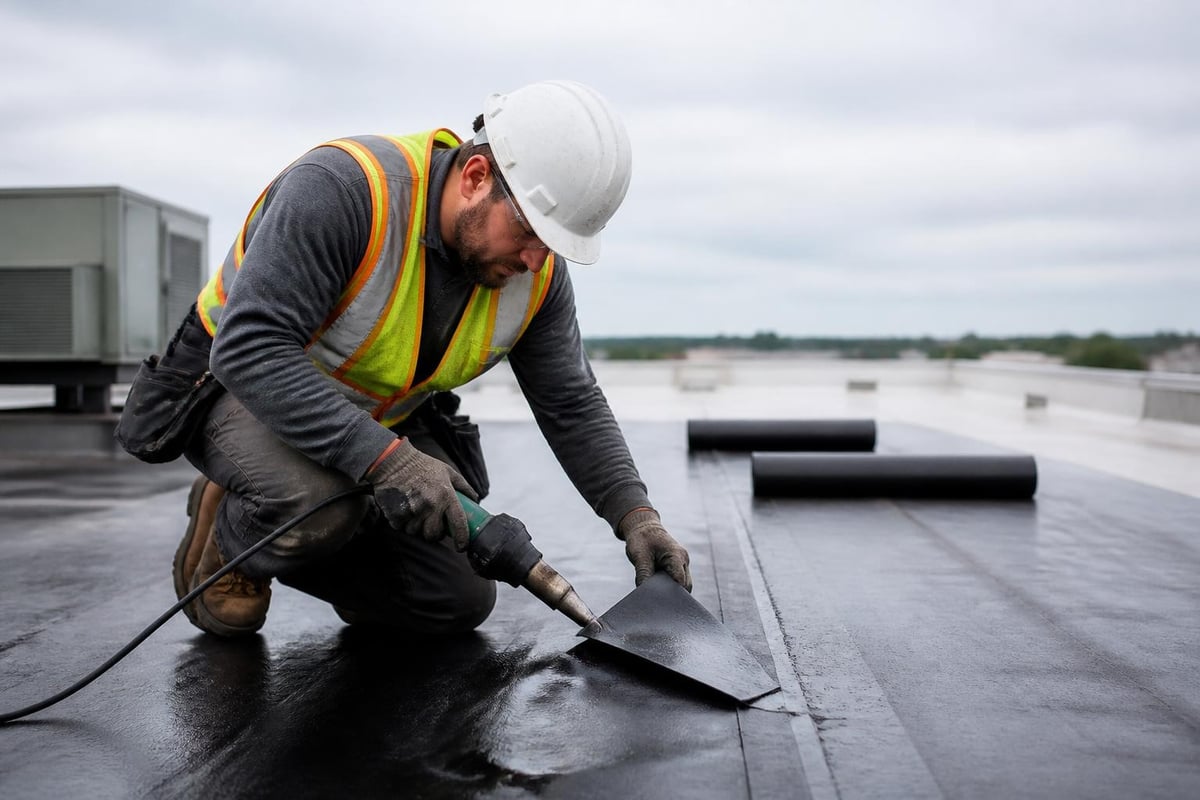
Comprehensive insurance coverage separates professional contractors from unlicensed operators. The roofing experts maintain general liability insurance with minimum coverage of one million dollars, workers' compensation for all employees, and often umbrella policies that provide additional protection. Homeowners should always verify current certificates of insurance directly with the carrier before signing any contract.
Key insurance components include:
- General liability covering property damage and bodily injury
- Workers' compensation for employee injuries
- Vehicle insurance for company trucks and equipment
- Completed operations coverage for post-installation issues
- Builder's risk for projects exceeding certain values
Services Offered by the Roofing Experts
Professional roofing contractors provide comprehensive services that extend beyond simple installation. Understanding the full range of services helps property owners make informed decisions about maintenance, repairs, and replacement timing. The roofing experts approach each project systematically, beginning with thorough inspections and ending with detailed documentation and warranty registration.
Inspection and Assessment Services
Detailed roof inspections form the foundation of sound decision-making. Professional inspectors examine every component of the roofing system, including decking, underlayment, flashing, ventilation, and drainage. They identify current damage, potential problem areas, and remaining service life to help property owners plan maintenance budgets and replacement timelines.
| Inspection Type | Frequency | Primary Purpose |
|---|---|---|
| Annual Maintenance | Yearly | Identify minor issues before they escalate |
| Post-Storm | After severe weather | Document damage for insurance claims |
| Pre-Purchase | Before buying property | Assess condition and replacement costs |
| Warranty | Per manufacturer requirements | Maintain warranty validity |
Installation and Replacement Projects
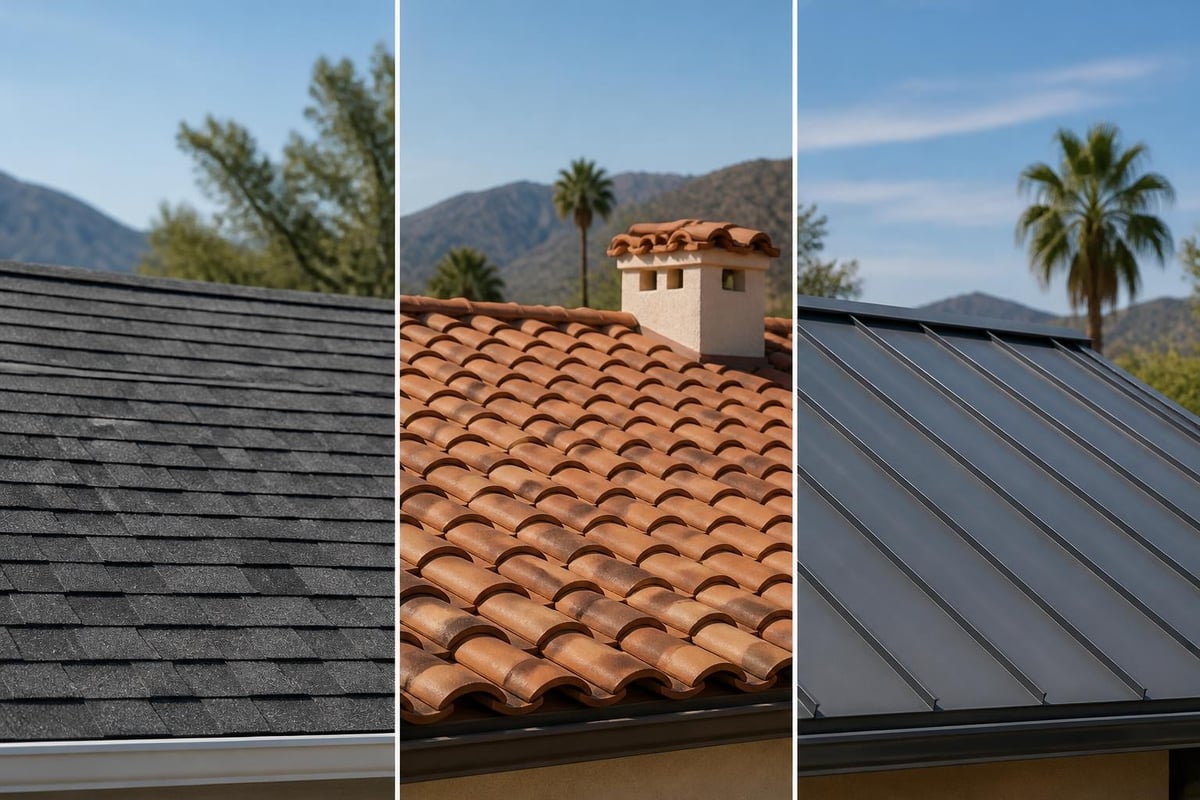
The roofing experts excel at matching the right materials to each property's specific needs, considering factors such as climate, architectural style, budget, and local building codes. Material selection significantly impacts long-term performance and maintenance requirements. Los Angeles properties face unique challenges including intense UV exposure, minimal precipitation, and seismic considerations that influence design specifications.
When considering a major roofing project, choosing experienced professionals ensures proper installation from decking to final shingles. New Roof Installation services require meticulous attention to substrate preparation, ventilation design, and flashing details that prevent future problems. Working with qualified contractors who understand local building codes and climate-specific requirements protects your investment and ensures compliance with all regulatory standards.
Popular roofing materials for Southern California include:
- Asphalt composition shingles – Cost-effective with 20-30 year lifespans
- Clay and concrete tiles – Traditional aesthetic with 50+ year durability
- Metal roofing systems – Energy-efficient with exceptional longevity
- Built-up roofing (BUR) – Commercial flat roof standard
- TPO and EPDM membranes – Modern single-ply commercial solutions
Repair and Maintenance Programs
Preventive maintenance extends roof life significantly and prevents costly emergency repairs. The roofing experts develop customized maintenance schedules based on roof type, age, and environmental exposure. Regular maintenance includes debris removal, sealant inspection, flashing examination, and minor repairs that address issues before they compromise the entire system.
Typical maintenance intervals range from semi-annual inspections for older roofs to annual assessments for newer installations. Commercial properties with flat or low-slope roofs benefit from quarterly inspections due to drainage concerns and membrane vulnerability.
Safety Standards and Compliance
Worker safety distinguishes professional contractors from unqualified operators. The roofing experts implement comprehensive safety programs that protect workers, property owners, and the public. OSHA fall protection standards mandate specific protections for roofing work, including guardrails, safety nets, and personal fall arrest systems for work above six feet.
Fall Protection Requirements
Every roofing project exceeding single-story height requires detailed fall protection planning. Professional contractors conduct site-specific hazard assessments and implement appropriate controls before work begins. Fall protection systems must meet strict capacity requirements and undergo regular inspection to ensure reliability.
OSHA-compliant fall protection methods:
- Guardrail systems with 200-pound top rail capacity
- Safety net systems positioned within 30 feet of working level
- Personal fall arrest systems with full-body harnesses
- Warning line systems combined with monitoring (limited applications)
- Designated safety monitors for specific low-slope work
Job Site Safety Protocols
The roofing experts maintain organized job sites with clear hazard communication, proper equipment storage, and debris management systems. Daily safety briefings address weather conditions, specific hazards, and emergency procedures. Professional contractors maintain first aid supplies, emergency contact information, and clear evacuation routes for all projects.
Material Quality and Standards
Material selection directly impacts roof performance and longevity. The roofing experts source products from reputable manufacturers who meet or exceed industry standards. ASTM testing standards establish performance criteria for roofing materials, ensuring consistency and reliability across manufacturers.
Understanding Material Grades and Ratings
Not all roofing materials within the same category offer equivalent performance. Asphalt shingles range from basic three-tab products to premium architectural designs with enhanced wind resistance and impact ratings. The roofing experts help property owners understand these distinctions and select appropriate materials for their specific exposure conditions.
| Rating Category | Standard Products | Premium Products |
|---|---|---|
| Wind Resistance | 60-90 mph | 110-130 mph |
| Impact Rating | Class 2 | Class 4 |
| Warranty Period | 20-25 years | 30-50 years |
| Fire Rating | Class A | Class A |
Energy Efficiency Considerations
Cool roofing technology reduces energy consumption by reflecting solar radiation rather than absorbing heat. The Department of Energy’s cool roof guidance explains how reflective surfaces can reduce cooling costs by 10-30 percent in hot climates. Light-colored tiles, reflective metal roofing, and specialized asphalt shingles with reflective granules all qualify as cool roofing options.
ENERGY STAR certified roofing products meet specific reflectivity and emissivity requirements that qualify property owners for potential tax credits and utility rebates. The roofing experts stay informed about available incentive programs and help clients maximize financial benefits while reducing environmental impact.
Warranty Coverage and Protection
Comprehensive warranty coverage protects property owners from defects and premature failures. The roofing experts provide both workmanship warranties covering installation quality and facilitate manufacturer warranties that protect against material defects. Understanding warranty terms, exclusions, and maintenance requirements prevents coverage disputes when problems arise.
Types of Roofing Warranties
Manufacturer material warranties typically cover defects in shingles, tiles, or membrane materials for periods ranging from 20 to 50 years. These warranties often feature prorated coverage that reduces reimbursement percentage as the roof ages. Non-prorated warranties provide full replacement value for a specified period before transitioning to prorated coverage.
Contractor workmanship warranties protect against installation errors and typically extend from two to ten years depending on the contractor's confidence and quality standards. The roofing experts stand behind their work with comprehensive workmanship guarantees that address any installation-related issues promptly.
Enhanced system warranties combine material and labor coverage when certified contractors install complete roofing systems using a single manufacturer's products. These warranties can extend up to 50 years and often include coverage for accessories, flashings, and ventilation components.
Maintaining Warranty Validity
All warranties include specific requirements that property owners must meet to maintain coverage. Common requirements include professional installation by certified contractors, periodic inspections at specified intervals, and proper ventilation meeting manufacturer specifications. The roofing experts document all work photographically and provide detailed maintenance instructions that help property owners preserve warranty protection.
Selecting the Right Roofing Professionals
Choosing qualified contractors requires careful evaluation of credentials, experience, and business practices. The roofing experts welcome scrutiny and provide transparent information about licensing, insurance, and past projects. Consumer Reports’ roofing buying guide offers valuable guidance on contractor selection and red flags to avoid.
Essential Evaluation Criteria
Verify credentials thoroughly by checking license status with state contractor boards, confirming insurance directly with carriers, and reviewing any complaints filed with consumer protection agencies. The roofing experts maintain spotless records and provide documentation without hesitation.
Request detailed references from recent projects similar in scope and complexity to your planned work. Contact multiple references and ask specific questions about communication, cleanliness, problem-solving, and final results. Professional contractors provide extensive reference lists and welcome site visits to completed projects.
Compare detailed written estimates that itemize materials, labor, timeline, and payment schedules. The roofing experts provide comprehensive proposals that eliminate ambiguity and prevent change order disputes. Beware of unusually low bids that may indicate substandard materials, inadequate insurance, or planned cost increases.
- Review contract terms carefully before signing
- Establish clear communication protocols for project updates
- Confirm permit responsibilities and building department coordination
- Clarify debris removal and cleanup procedures
- Document payment schedule tied to completion milestones
Red Flags and Warning Signs
Certain business practices indicate unprofessional or potentially fraudulent contractors. Avoid companies that demand full payment upfront, operate without proper licensing, or pressure immediate decisions with limited-time offers. The roofing experts respect the decision-making process and provide detailed information that allows informed choices without artificial urgency.
Warning signs of problematic contractors:
- Reluctance to provide proof of insurance or licensing
- Verbal agreements without written contracts
- Requests for cash payments without documentation
- Inability to provide local references or physical business address
- High-pressure sales tactics or door-to-door solicitation
- Offers to waive insurance deductibles or negotiate claims
- Significantly lower bids than multiple competitors
Storm Damage and Insurance Claims
Severe weather events require prompt professional assessment to document damage and prevent further deterioration. The roofing experts provide emergency services and assist property owners through the insurance claims process. Understanding policy coverage, deductible requirements, and documentation standards helps maximize claim settlements while maintaining ethical compliance.
Proper Damage Documentation
Thorough documentation forms the foundation of successful insurance claims. Professional contractors photograph all damage from multiple angles, note specific locations using roof diagrams, and differentiate storm damage from pre-existing wear. The roofing experts provide detailed written assessments that insurance adjusters can verify and approve.
IBHS research on wind and hail damage helps property owners understand performance expectations for different roofing materials under severe weather conditions. This research informs both material selection for replacement projects and damage assessment following storms.
Working with Insurance Adjusters
Professional contractors facilitate the claims process while maintaining appropriate boundaries between property owners and insurers. The roofing experts provide technical expertise and accurate repair estimates but never encourage fraudulent claims or policy manipulation. Ethical contractors help property owners understand coverage while respecting the adjuster's role in determining claim validity.
Environmental Considerations and Sustainability
Responsible roofing practices minimize environmental impact through material selection, waste management, and recycling programs. The roofing experts participate in shingle recycling initiatives that divert asphalt waste from landfills and repurpose it for road construction. EPA stormwater guidance addresses runoff quality and pollution prevention relevant to roofing projects.
Sustainable Material Options
Metal roofing systems contain 25-95 percent recycled content and remain fully recyclable at end of life. Clay and concrete tiles offer exceptional durability that reduces replacement frequency and associated waste generation. The roofing experts help property owners evaluate lifecycle costs and environmental impacts when selecting materials for long-term sustainability.
Cool roofing technologies reduce urban heat island effects while lowering building energy consumption. Reflective surfaces decrease surrounding air temperatures and reduce strain on electrical grids during peak demand periods. Property owners in hot climates realize both environmental and economic benefits from cool roofing installations.
Waste Management and Recycling
Professional tear-off projects generate substantial waste that requires responsible disposal. The roofing experts separate recyclable materials, properly dispose of hazardous substances, and minimize debris impacts on surrounding properties. Comprehensive cleanup includes magnetic sweeps for nails and metal debris that protects people and vehicles from injury.
Understanding what separates the roofing experts from less qualified contractors empowers property owners to make informed decisions that protect their investments. Professional credentials, comprehensive insurance, quality materials, and ethical business practices define contractors who deliver lasting value and peace of mind. Whether you need installation, repair, or maintenance services in the Los Angeles area, Proof Your Roof combines technical expertise with customer-focused service to ensure your roofing project exceeds expectations and provides decades of reliable protection.