
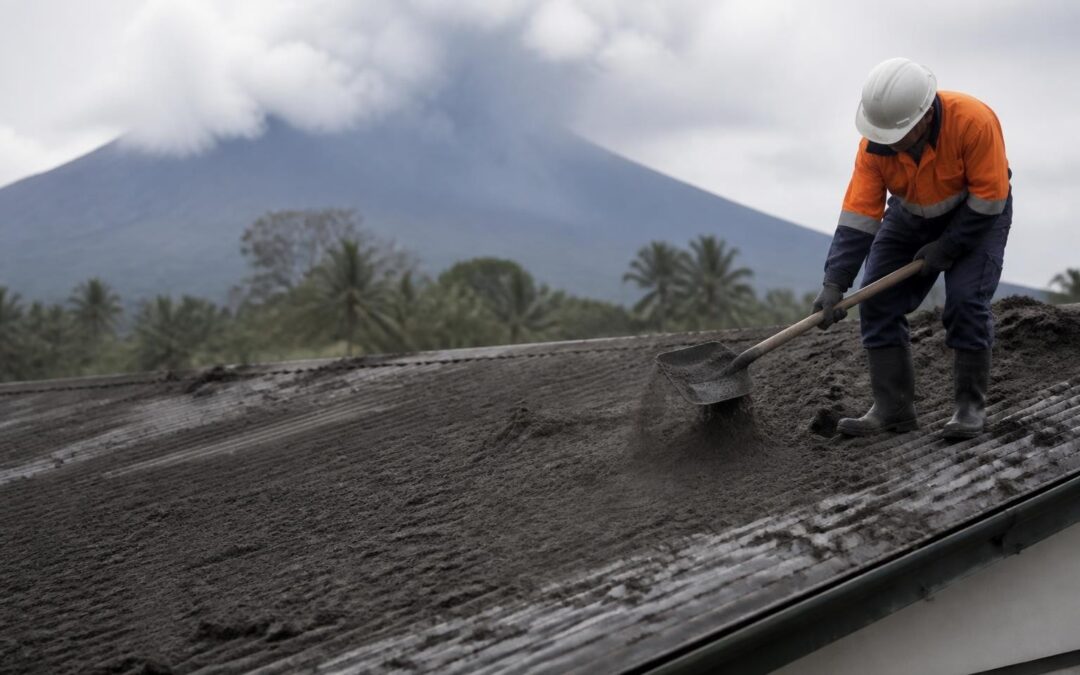
Volcanic ash poses unique challenges for residential and commercial properties, particularly for roofing systems in regions near active volcanic zones. While Los Angeles homeowners might not immediately associate their location with volcanic activity, understanding ash roofing concerns remains relevant for properties in areas affected by wildfires that produce ash fallout, and for those considering relocation or investment in volcanic regions. Ash roofing refers to both the impact of volcanic or combustion ash on existing roof structures and the engineering considerations required to protect buildings from ash accumulation damage. This comprehensive guide explores the structural risks, maintenance protocols, and protective measures essential for safeguarding your property against ash-related roofing challenges.
Understanding Ash Roofing Challenges
Volcanic ash consists of fine rock particles, minerals, and glass fragments ejected during volcanic eruptions. Unlike snow, which has a relatively predictable density, ash varies dramatically in weight depending on its composition, moisture content, and compaction level.
Dry volcanic ash typically weighs between 60 to 90 pounds per cubic foot, but when wet, this can increase to 120 pounds or more per cubic foot. According to the USGS roof loading guidelines, just four inches of wet ash can exceed the weight capacity of many residential roof structures designed for standard snow loads.
The primary ash roofing concerns include:
- Structural overloading leading to roof collapse
- Water infiltration through compromised seals and flashing
- Corrosion of metal components from acidic ash particles
- Clogged drainage systems preventing proper water runoff
- Long-term degradation of roofing materials
Weight Distribution and Structural Risk
Ash accumulation creates uneven loading patterns across roof surfaces. Flat and low-slope roofs face the greatest risk because ash settles uniformly without natural shedding. Steeper pitches, particularly those exceeding 6:12, allow some natural ash shedding during accumulation, though significant buildup still occurs.
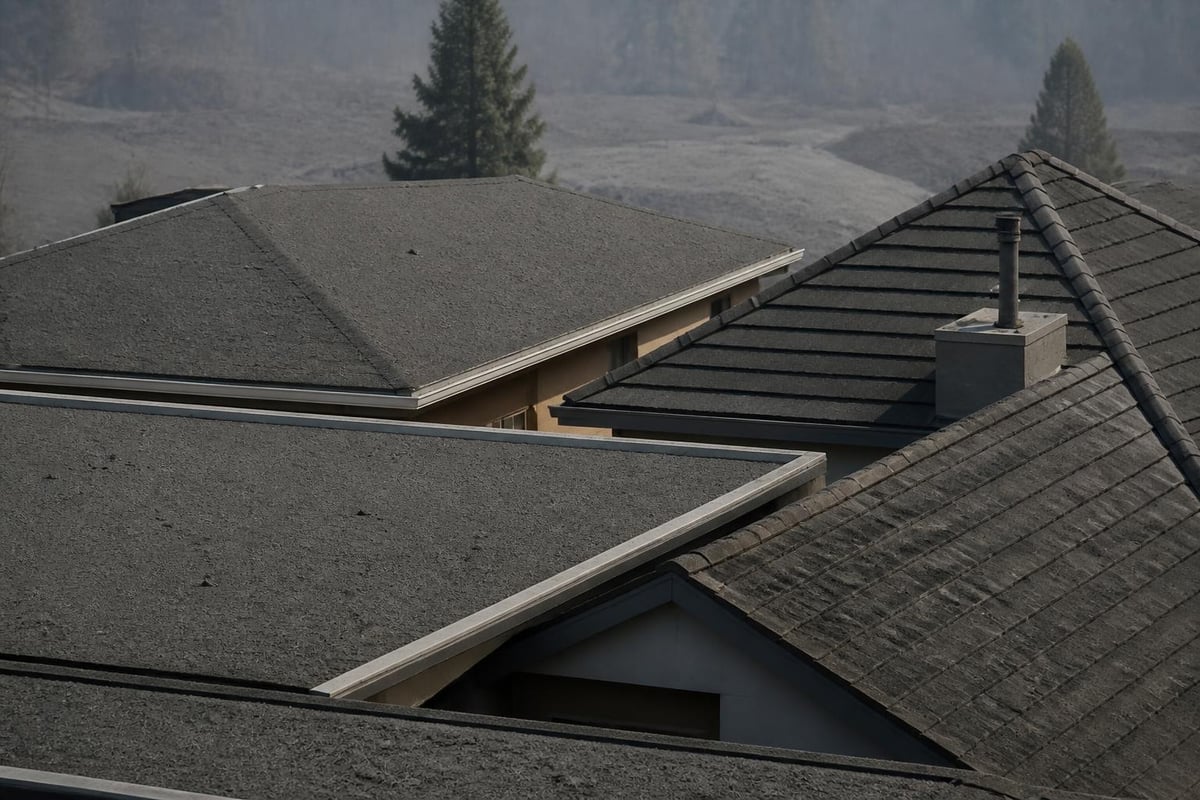
The critical failure point varies based on several factors. Wood-framed residential structures typically support 20 to 30 pounds per square foot of dead load plus live load. When ash roofing loads exceed these thresholds, structural members begin to stress, potentially leading to sagging, cracking, or catastrophic collapse.
| Ash Depth | Dry Ash Weight (psf) | Wet Ash Weight (psf) | Risk Level |
|---|---|---|---|
| 1 inch | 5-8 lbs | 10-12 lbs | Low |
| 2 inches | 10-15 lbs | 20-24 lbs | Moderate |
| 4 inches | 20-30 lbs | 40-48 lbs | High |
| 6 inches | 30-45 lbs | 60-72 lbs | Critical |
Immediate Response to Ash Accumulation
When volcanic ash begins falling on your property, timing proves essential. The EPA’s volcanic disaster guidance emphasizes personal safety first, recommending that property owners wait until ashfall subsides before attempting roof access.
Safety Protocols for Ash Roofing Inspection
Before climbing onto any roof covered with ash, assess structural integrity from the ground. Look for visible sagging, cracks in interior ceilings, or unusual creaking sounds that indicate stress. Never walk on ash-covered roofs without proper safety equipment and fall protection.
Professional assessment becomes critical when:
- Ash depth exceeds two inches on flat or low-slope roofs
- Visible structural deformation appears in roof lines or overhangs
- Interior ceiling cracks develop during or after ashfall
- Gutters and downspouts show signs of separation or failure
The International Volcanic Health Hazard Network provides detailed pamphlets on building protection during ashfall events, including recommended personal protective equipment for anyone conducting ash roofing inspections or cleanup.
Ash Removal Techniques and Best Practices
Removing volcanic ash from roofing systems requires methodical planning to prevent both personal injury and additional structural damage. The fundamental principle: remove ash from the highest risk areas first, particularly flat sections and valleys where accumulation concentrates.
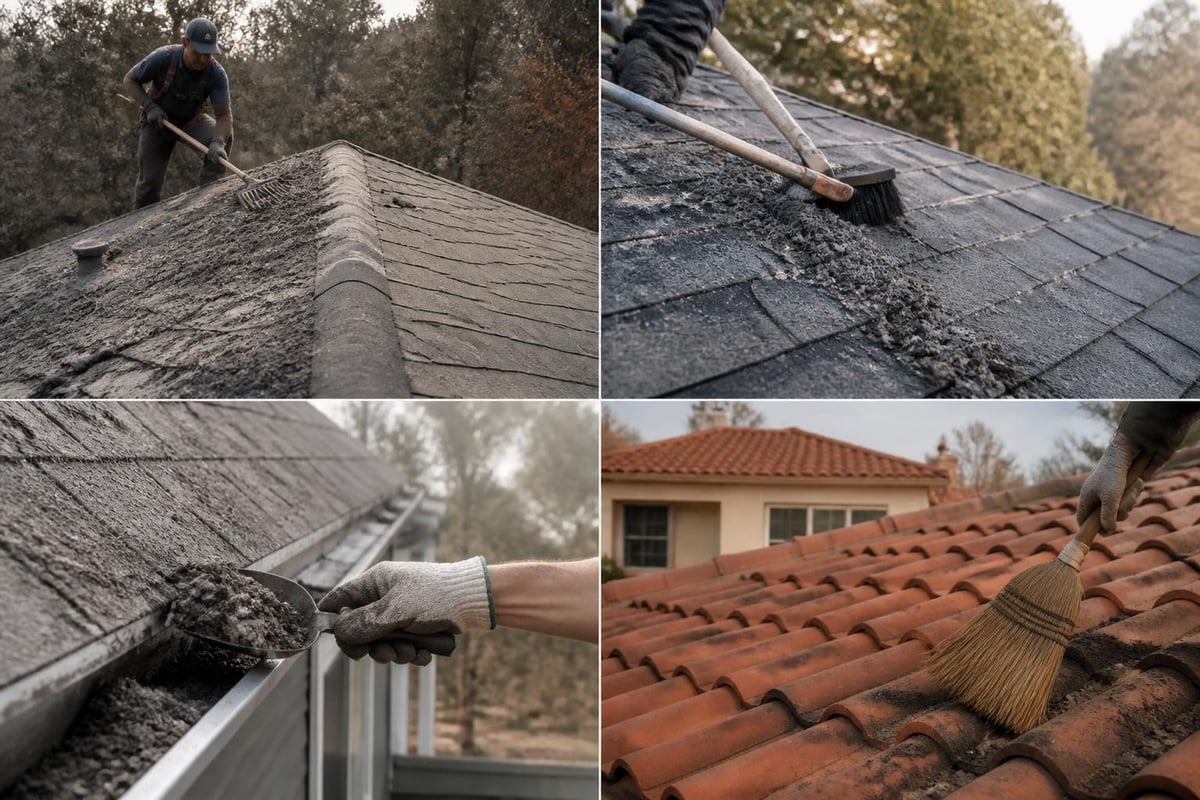
Dry removal methods work best when ash remains completely dry. Using soft-bristled brooms or roof rakes, gently push ash off the roof edge, working from the ridge downward. Avoid aggressive scraping that might damage shingles, tiles, or waterproofing membranes.
Wet Ash Removal Considerations
Wet ash creates significantly more challenging conditions. The increased weight demands faster removal, yet the material becomes sticky and difficult to move. Water hosing might seem intuitive, but adding more water can dangerously increase roof loading before ash drains away.
For properties with asphalt shingles roof systems, particular care prevents granule loss during ash cleanup. The ceramic granules protecting asphalt shingles from UV degradation can dislodge when aggressive removal methods scrape the surface. Gentle sweeping with soft-bristle brooms minimizes this damage while effectively clearing ash deposits.
Professional roofing contractors bring specialized equipment including:
- Industrial vacuums with HEPA filtration
- Low-pressure water systems for controlled rinsing
- Scaffolding and fall protection systems
- Structural assessment tools to monitor load during removal
Long-Term Ash Roofing Maintenance
After initial ash removal, secondary concerns emerge. Fine ash particles infiltrate every gap, seal, and junction in roofing systems. These residual deposits continue causing problems long after visible accumulation disappears.
Gutter and Drainage System Restoration
Volcanic ash creates concrete-like deposits when mixed with water inside gutters and downspouts. This material hardens over time, permanently blocking drainage paths unless thoroughly cleaned. Complete gutter system flushing should occur within weeks of ash removal to prevent solidification.
Inspect and clean:
- All gutter runs and corners
- Downspout elbows and extensions
- Underground drainage connections
- Roof drains and scuppers on flat roofs
- Valley channels and flashing transitions
Material Degradation Assessment
Volcanic ash contains varying levels of sulfuric acid and other corrosive compounds. Metal roofing components, flashing, fasteners, and trim pieces face accelerated corrosion after ash exposure. According to USGS volcanic ash building design research, galvanized steel and aluminum show particular vulnerability to acidic ash deposits.
Schedule comprehensive inspections six months and twelve months after significant ashfall events to identify:
- Flashing deterioration around chimneys, skylights, and penetrations
- Fastener corrosion causing seal failures or material separation
- Coating degradation on metal roofing panels
- Membrane damage on flat or low-slope roof systems
- Tile displacement on clay or concrete tile installations
Preventive Measures for Ash-Prone Areas
Properties located near active volcanic zones benefit from proactive ash roofing preparation. Structural reinforcement, material selection, and emergency planning significantly reduce damage risk and recovery costs.
Structural Upgrades for Enhanced Load Capacity
Engineered roof systems in volcanic regions incorporate enhanced load-bearing capacity. Additional rafters, stronger truss designs, and reinforced support members provide safety margins when ash accumulation occurs.
| Roof Type | Standard Capacity | Enhanced Capacity | Ash Protection Benefit |
|---|---|---|---|
| Wood Frame | 20-30 psf | 40-50 psf | Doubles safe ash depth |
| Engineered Truss | 25-35 psf | 50-70 psf | Supports 6+ inches wet ash |
| Commercial Steel | 30-40 psf | 60-100+ psf | Industrial-grade protection |
Material Selection Strategies
Certain roofing materials demonstrate superior performance in ash-prone environments. Steep-pitched metal roofing naturally sheds ash accumulation while resisting corrosion when properly coated. Clay and concrete tiles, though heavy, provide excellent durability against abrasive ash particles.
Interestingly, recent research published in the International Journal of Pavement Research and Technology explores using agricultural waste ashes and fly ash in asphalt mixtures for roofing applications. These sustainable additives potentially improve material performance while addressing environmental concerns, though their behavior during volcanic ashfall requires further study.
Emergency Preparedness and Documentation
Developing comprehensive ash roofing emergency plans protects both property and financial interests. Insurance coverage, contractor relationships, and supply stockpiling prove invaluable when volcanic activity threatens your area.
Creating Your Ash Response Plan
Effective emergency planning addresses multiple scenarios and timelines:
Pre-eruption preparation (months before activity):
- Identify and contract qualified roofing professionals
- Stockpile cleanup tools and safety equipment
- Document existing roof conditions with photos and reports
- Review insurance policies for volcanic damage coverage
- Establish structural load limits for your specific roof design
Active eruption response (during ashfall):
- Monitor ash depth at regular intervals (every 2-4 hours)
- Track moisture conditions and weather forecasts
- Maintain communication with roofing contractors
- Prepare for power outages affecting sump pumps and drainage
- Document accumulation rates and removal efforts for insurance
Post-eruption recovery (days to months after):
- Prioritize removal based on structural risk assessment
- Coordinate professional inspection and repairs
- Submit insurance claims with comprehensive documentation
- Plan long-term monitoring for corrosion and degradation
- Update emergency plans based on lessons learned
Insurance Considerations
Standard homeowners insurance policies vary significantly in volcanic damage coverage. Some classify ash damage under "falling objects" or "weight of ice, snow, or sleet," while others explicitly exclude volcanic events. Review policy language carefully and consider supplemental coverage in high-risk areas.
Document everything for insurance purposes:
- Photographs of ash depth using measuring sticks
- Professional inspection reports
- Removal and repair contractor estimates
- Before and after condition photographs
- Weather service ashfall reports and measurements
Regional Considerations for Los Angeles Properties
While Los Angeles sits relatively far from active volcanic centers, understanding ash roofing principles remains relevant. The city faces wildfire ash concerns that, while different in composition from volcanic ash, create similar roofing challenges including weight loading, drainage blockage, and material damage.
Southern California's earthquake risk also intersects with ash roofing concerns. Seismic retrofitting that strengthens roof-to-wall connections and improves overall structural integrity simultaneously enhances ash load capacity. Properties meeting modern earthquake standards generally handle moderate ash accumulation better than older, unreinforced structures.
The USGS volcanic ash resources compilation provides technical publications applicable to various ash sources, helping property owners understand risks regardless of ash origin. This knowledge proves valuable whether addressing wildfire fallout or planning for properties in regions with volcanic exposure.
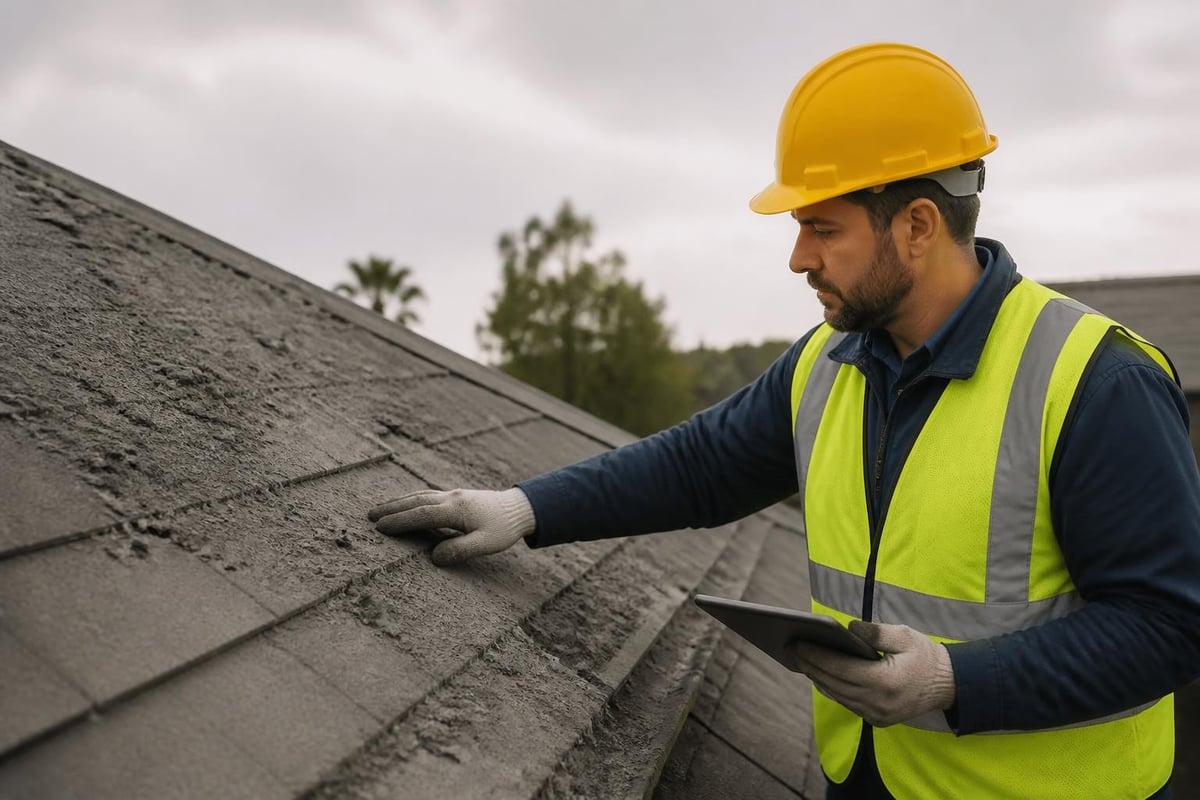
Professional vs. DIY Ash Roofing Management
Determining when to hire professionals versus handling ash roofing tasks yourself depends on accumulation severity, roof accessibility, and personal capability. Simple monitoring and light dry-ash removal on accessible, low-slope areas may suit DIY approaches, but significant accumulation demands professional expertise.
Professional services become essential when:
- Ash depth exceeds three inches anywhere on the roof
- Moisture has saturated accumulated ash
- Structural concerns exist (sagging, cracking, deformation)
- Roof pitch exceeds 6:12 or height creates fall risks
- Property includes commercial buildings or multi-family structures
Licensed roofing contractors bring liability insurance, workers compensation coverage, and expertise in structural assessment that protects property owners from both physical and legal risks. Their experience identifying subtle damage indicators prevents minor issues from escalating into major failures.
DIY efforts should focus on monitoring, documentation, and preventive maintenance rather than major removal operations. Regular inspections, gutter cleaning, and surface debris removal maintain roof health without exposing homeowners to significant danger.
Advanced Monitoring Technologies
Modern technology offers tools for tracking ash roofing loads and structural response in real-time. Load sensors, remote monitoring systems, and structural health monitoring equipment provide early warning when accumulation approaches dangerous thresholds.
Simple approaches include:
- Marked measuring stakes placed on roof surfaces visible from ground level
- Regular photographic documentation from consistent vantage points
- Weather station integration tracking precipitation that wets accumulated ash
- Indoor ceiling monitoring for cracks or deflection indicating stress
More sophisticated systems employ wireless strain gauges, tilt sensors, and load cells that transmit data to smartphones or computers, alerting property owners when predetermined safety limits approach. These technologies, common in commercial and industrial applications, increasingly serve high-value residential properties in volcanic regions.
Protecting your property from ash-related roofing damage requires understanding load dynamics, implementing proper removal techniques, and maintaining vigilant long-term monitoring. Whether addressing volcanic ashfall or wildfire debris, the structural and material considerations remain consistent across scenarios. For Los Angeles area property owners seeking expert guidance on roof protection, maintenance, or upgrades that enhance resilience against environmental challenges, Proof Your Roof delivers comprehensive residential and commercial roofing solutions backed by local expertise and quality craftsmanship.