
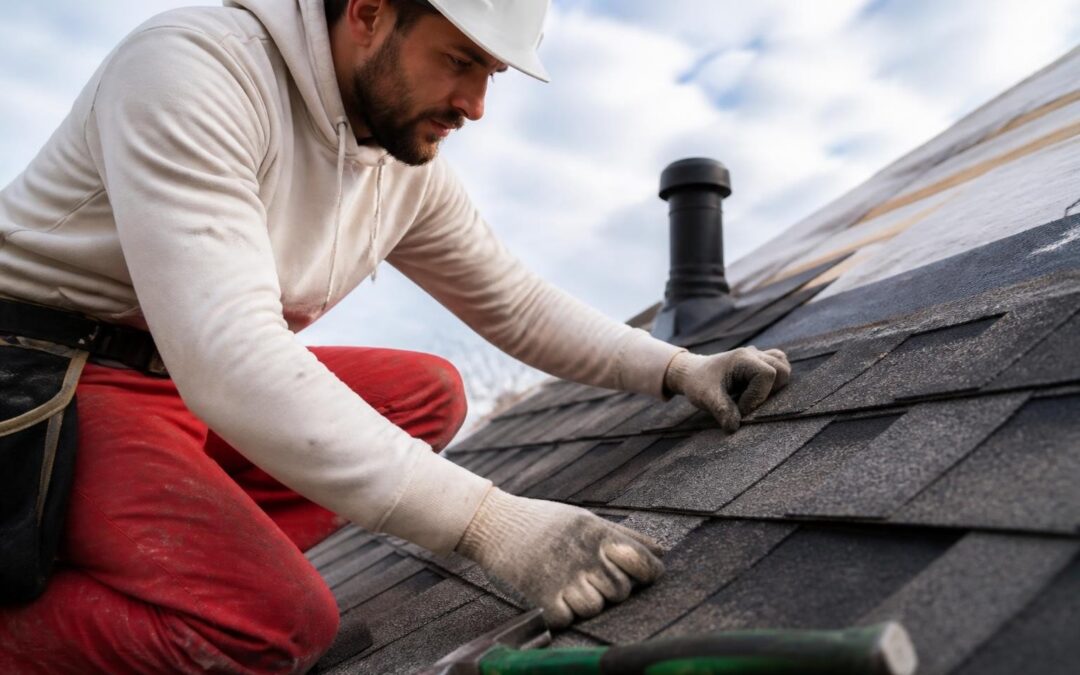
When homeowners and business owners search for reliable roofing solutions, they often encounter various industry terms and contractor names that reflect a commitment to quality craftsmanship. The concept of wright roofing embodies the traditional values of skilled workmanship, precision installation, and lasting durability that define professional roofing services. Understanding what separates exceptional roofing work from merely adequate installations can help property owners make informed decisions about protecting their most valuable investments. This comprehensive guide explores the standards, techniques, and professional practices that characterize superior roofing services across residential and commercial applications.
Understanding Professional Roofing Craftsmanship
The term wright roofing historically connects to the traditional craftsman approach where skilled workers took pride in every aspect of their trade. Modern roofing professionals continue this legacy by combining time-tested techniques with contemporary materials and installation methods.
Professional roofing contractors distinguish themselves through several key characteristics. They maintain current licenses and insurance coverage, follow manufacturer specifications precisely, and stay updated on evolving building codes. Wright roofing principles emphasize thorough preparation, attention to detail during installation, and comprehensive quality control measures that ensure every project meets or exceeds industry standards.
Core Components of Quality Installation
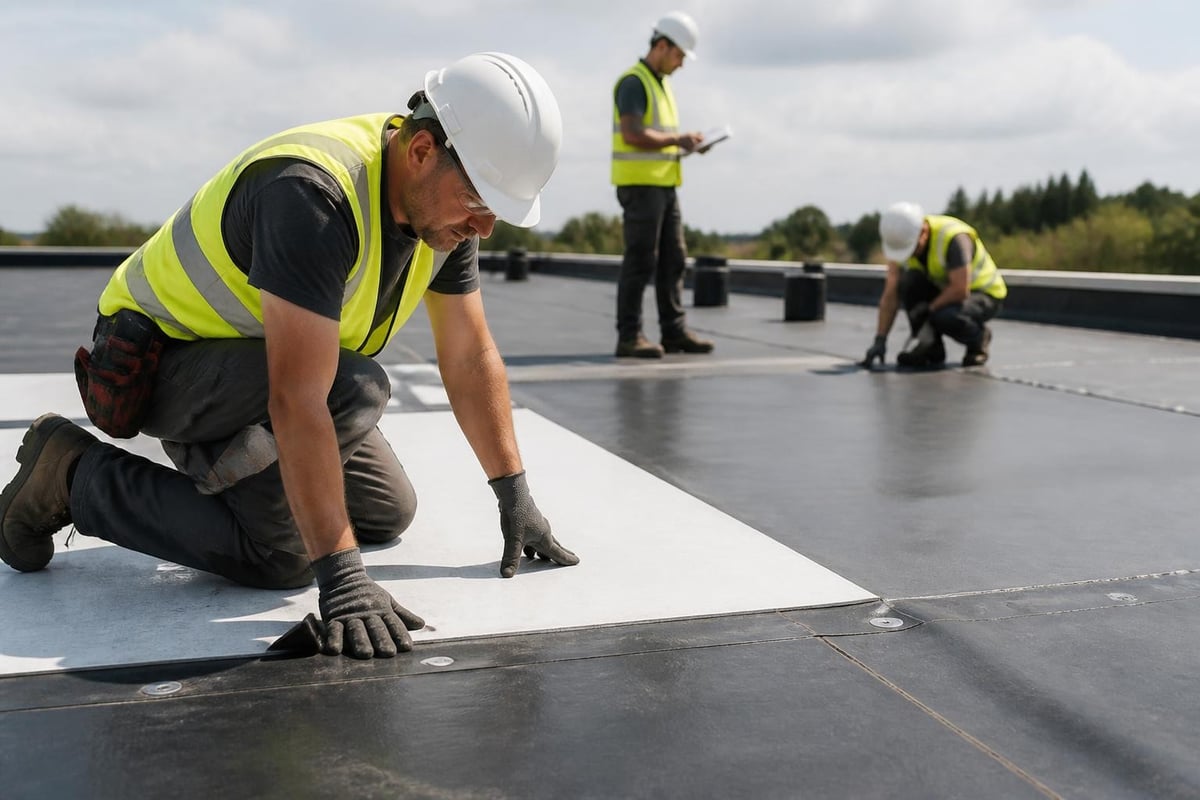
Superior roofing installations require expertise across multiple disciplines and careful coordination of numerous elements:
- Structural assessment to verify deck integrity and load-bearing capacity
- Material selection based on climate, building design, and performance requirements
- Ventilation design that balances airflow and moisture control
- Flashing integration at penetrations, valleys, and transitions
- Fastening patterns that meet wind uplift and structural standards
Each component demands specific knowledge and skill. The NRCA’s roofing guidelines provide comprehensive technical resources that professionals reference throughout the installation process, ensuring compliance with best practices.
Material Selection and Application Standards
Wright roofing professionals understand that material quality directly impacts long-term performance. The roofing industry offers numerous options, each with distinct characteristics suited to different applications and environments.
Asphalt Shingle Systems
Asphalt shingles roof installations remain the most popular choice for residential applications across North America. These systems combine affordability with proven performance when installed according to manufacturer specifications. Modern asphalt shingles incorporate advanced technology including impact resistance, algae resistance, and enhanced wind ratings.
Professional contractors follow strict application protocols that address substrate preparation, starter course installation, proper exposure spacing, and nail placement. Recent industry resources provide detailed guidance on quality control measures. According to NRCA guidance on asphalt shingle application, on-site evaluation throughout installation helps identify and correct potential issues before they compromise system integrity.
| Material Type | Expected Lifespan | Climate Suitability | Maintenance Level |
|---|---|---|---|
| 3-Tab Asphalt | 15-20 years | Moderate climates | Low to moderate |
| Architectural Asphalt | 25-30 years | All climates | Low |
| Clay Tile | 50+ years | Hot, dry climates | Low |
| Metal Roofing | 40-70 years | All climates | Very low |
| Concrete Tile | 40-50 years | Various climates | Low to moderate |
Wright roofing contractors evaluate multiple factors when recommending materials, including local weather patterns, building codes, architectural style, and long-term cost considerations. The goal extends beyond initial installation to ensuring decades of reliable protection.
Installation Technique Precision
Proper installation technique separates adequate roofing from exceptional performance. Professional contractors address critical details that inexperienced installers often overlook.
Underlayment application provides the first line of defense against moisture infiltration. Wright roofing standards require complete coverage with appropriate overlap, proper fastening patterns, and careful integration around protrusions. Many professionals now utilize synthetic underlayments that offer superior tear resistance and extended UV exposure tolerance compared to traditional felt products.
Flashing installation demands particular expertise. Valley flashing, step flashing at wall intersections, and counter-flashing at chimneys must create watertight seals while accommodating building movement and thermal expansion. Metal selection, fastening methods, and sealant application all contribute to long-term weathertight performance.
Building Code Compliance and Energy Performance
Modern building codes increasingly emphasize energy efficiency alongside structural safety. The 2024 International Codes introduced updated requirements affecting roof assembly design, ventilation specifications, and insulation standards.
Ventilation and Moisture Control
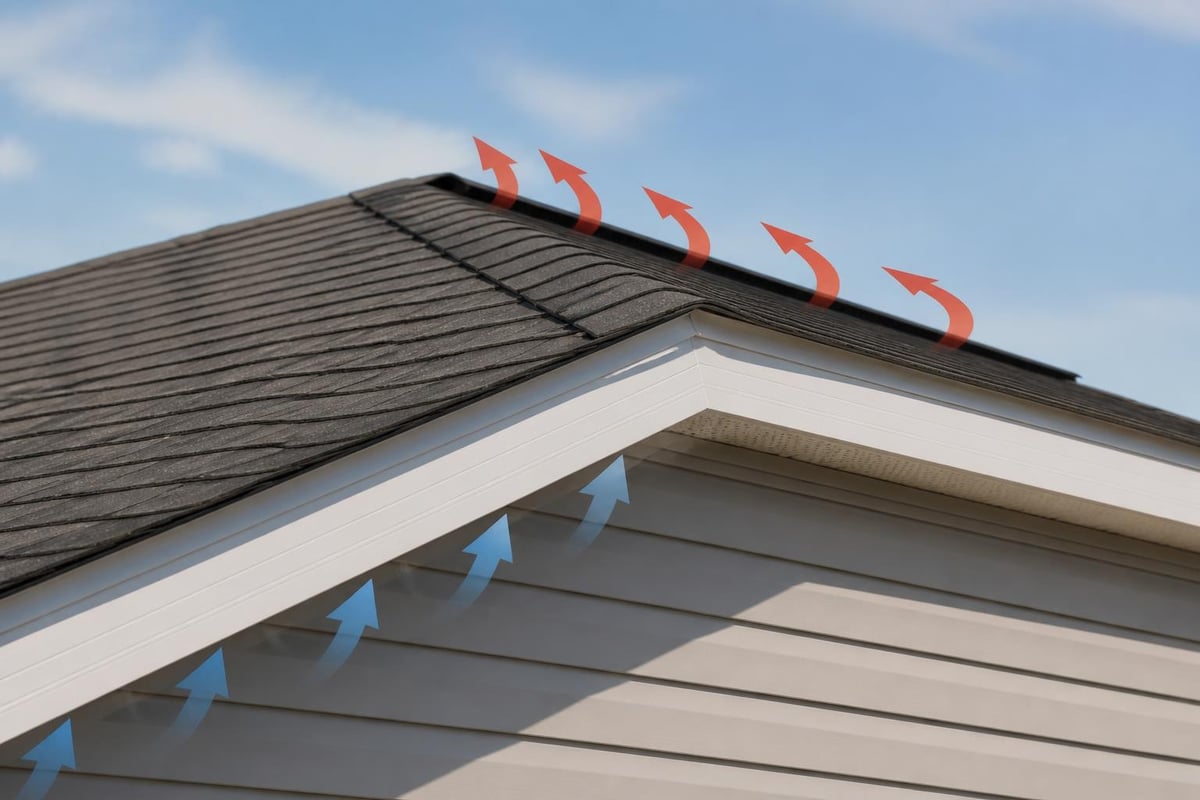
Proper attic ventilation represents one of the most critical yet frequently misunderstood aspects of roofing systems. Balanced ventilation extends shingle life, reduces cooling costs, and prevents moisture accumulation that leads to mold growth and structural deterioration.
Wright roofing professionals calculate ventilation requirements based on attic square footage, incorporating both intake vents at eaves and exhaust vents at ridge or gable locations. The Department of Energy offers detailed guidance on attic durability and ventilation that explains how proper airflow affects both roof longevity and indoor energy performance.
- Calculate net free ventilation area based on attic square footage
- Distribute intake ventilation across soffit or eave locations
- Position exhaust ventilation at highest practical points
- Avoid mixing ventilation types that create short-circuit airflow
- Verify unobstructed airflow paths from eave to ridge
Effective ventilation requires coordination between roofing contractors, insulation installers, and HVAC professionals to ensure all systems work together harmoniously.
Cool Roofing and Solar Reflectance
Climate-appropriate roofing materials can significantly reduce cooling costs and improve indoor comfort. Cool roofing technology utilizes highly reflective materials that redirect solar radiation rather than absorbing it as heat.
Research from Oak Ridge National Laboratory demonstrates quantifiable benefits. Their technical report on solar-reflective roofs shows that retrofitting buildings with cool roofing materials can reduce peak cooling demand by fifteen to thirty percent in hot climates.
Wright roofing professionals consider solar reflectance index (SRI) values when selecting materials for energy-conscious clients. Light-colored asphalt shingles, metal roofing with reflective coatings, and tile products naturally offer superior reflectance compared to darker traditional materials.
Storm Resistance and Durability Standards
Geographic location significantly influences appropriate roofing specifications. Areas prone to high winds, hail, or severe weather require enhanced installation techniques and impact-resistant materials.
FORTIFIED Roof Standards
The Insurance Institute for Business and Home Safety developed FORTIFIED construction standards to improve building resilience against natural disasters. The FORTIFIED Home technical standards provide evidence-based specifications for strengthening roofs against wind, hail, and storm damage.
Wright roofing contractors familiar with FORTIFIED standards implement several key improvements:
- Sealed roof deck using self-adhering underlayment or taped seams
- Ring-shank fasteners for enhanced withdrawal resistance
- Continuous edge metal along eaves and gables
- Impact-resistant shingles rated Class 4 for hail protection
- Enhanced attachment patterns exceeding minimum code requirements
| FORTIFIED Level | Wind Protection | Required Features | Insurance Benefits |
|---|---|---|---|
| FORTIFIED Roof | Up to 130 mph | Sealed deck, enhanced fastening | Potential discounts |
| FORTIFIED Silver | Up to 130 mph | Roof + opening protection | Greater discounts |
| FORTIFIED Gold | Up to 130 mph | Full home hardening | Maximum discounts |
Properties built or retrofitted to FORTIFIED standards often qualify for insurance premium reductions, providing financial benefits beyond the improved storm protection.
Impact Resistance and Material Durability
Hail damage represents a significant cause of roof replacement across many regions. Class 4 impact-resistant shingles incorporate modified asphalt formulations or fiberglass reinforcement that better withstands hailstone impacts.
Wright roofing installations in hail-prone areas typically specify Class 4 materials as standard practice. While these shingles cost moderately more than conventional products, they substantially reduce the likelihood of weather-related damage requiring premature replacement.
Quality Control and Inspection Protocols
Professional roofing contractors implement systematic quality control throughout every project phase. These protocols ensure consistent results and identify potential issues before they become costly problems.
Pre-Installation Assessment
Thorough site evaluation precedes material delivery and installation. Wright roofing professionals examine existing conditions, document deficiencies, and develop comprehensive scope specifications.
The assessment process includes:
- Deck inspection for rot, sagging, or structural damage
- Evaluation of existing ventilation adequacy
- Review of previous repairs or modifications
- Measurement verification for material ordering
- Identification of special conditions requiring custom solutions
Photographic documentation establishes baseline conditions and supports clear communication between contractors and property owners regarding necessary work.
Installation Quality Checkpoints
Experienced contractors pause at critical stages to verify work quality before proceeding. These checkpoints catch errors when correction remains simple and inexpensive.
Deck preparation checkpoint confirms proper fastening of loose boards, replacement of damaged sections, and uniform surface conditions. Underlayment checkpoint verifies complete coverage, proper overlap, and secure attachment. Flashing checkpoint ensures watertight integration at all penetrations and transitions.
Wright roofing standards require supervisory personnel to personally inspect these critical stages rather than relying solely on installation crews to self-verify quality.
Final Inspection and Documentation
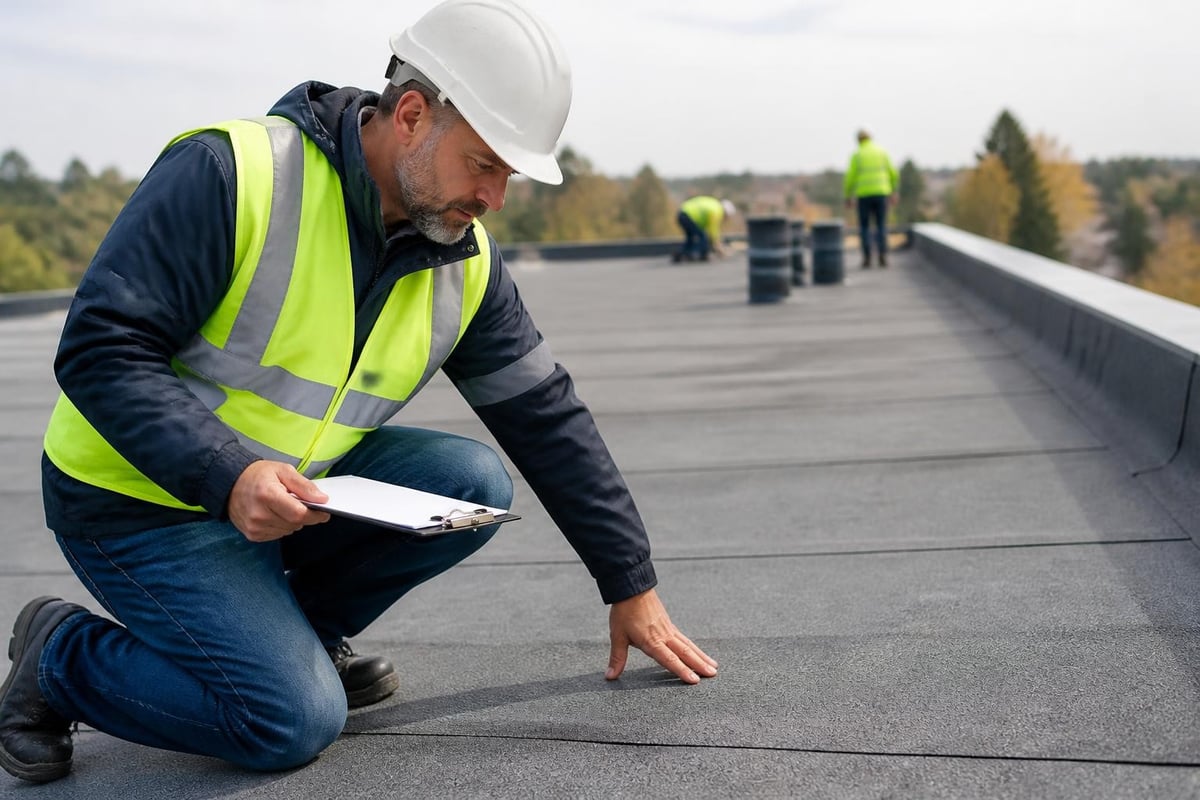
Completed installations undergo comprehensive final inspection covering workmanship, cleanup, and homeowner orientation. Professional contractors provide detailed documentation including warranty information, maintenance recommendations, and photographic records of completed work.
This documentation serves multiple purposes. It provides property owners with reference materials for future maintenance decisions, establishes warranty coverage parameters, and creates permanent records valuable during property transfers or insurance claims.
Maintenance Programs and Long-Term Performance
Even properly installed roofs require periodic maintenance to achieve maximum service life. Wright roofing professionals emphasize proactive care that identifies and addresses minor issues before they escalate into major repairs.
Routine Inspection Schedules
Annual or bi-annual inspections allow early detection of developing problems. Professional inspections examine:
- Shingle condition including granule loss, curling, or cracking
- Flashing integrity at chimneys, valleys, and penetrations
- Gutter and downspout function
- Ventilation adequacy and attic moisture conditions
- Fastener backing out or seal failure
Spring inspections following winter weather and fall inspections before winter storms provide optimal timing for most climates. Properties with mature trees overhead or located in severe weather zones may benefit from more frequent professional evaluation.
Preventive Maintenance Activities
Simple maintenance tasks significantly extend roof life when performed regularly:
- Clear debris from valleys, gutters, and behind chimneys
- Trim overhanging branches to prevent abrasion and reduce debris accumulation
- Remove moss or algae growth using approved cleaning methods
- Reseal exposed fasteners and caulk joints showing deterioration
- Replace damaged shingles promptly to prevent water infiltration
Wright roofing contractors often offer maintenance agreements that schedule these services automatically, ensuring property owners never overlook critical preventive care.
Commercial Roofing Considerations
Commercial properties present unique challenges requiring specialized expertise beyond residential roofing knowledge. Low-slope and flat roof systems dominate commercial applications, utilizing different materials and installation techniques than steep-slope residential roofs.
Low-Slope Roofing Systems
Modified bitumen, EPDM rubber, TPO, and PVC membranes each offer distinct advantages for commercial applications. Wright roofing professionals evaluate building use, budget parameters, and performance requirements when recommending specific systems.
Proper drainage becomes critical on low-slope installations. Even "flat" roofs require minimum quarter-inch per foot slope toward drains or scuppers. Ponding water accelerates membrane deterioration and increases leak risk.
| System Type | Installation Method | Typical Warranty | Best Applications |
|---|---|---|---|
| Modified Bitumen | Torch or cold-applied | 10-20 years | General commercial |
| EPDM | Fully adhered or mechanically attached | 10-25 years | Budget-conscious projects |
| TPO | Heat-welded seams | 15-30 years | Energy-efficient buildings |
| PVC | Heat-welded seams | 15-30 years | Chemical exposure areas |
Commercial installations require coordination with building occupants to minimize business disruption. Wright roofing contractors develop detailed project schedules that accommodate operational requirements while maintaining installation quality.
Roof Access and Safety Considerations
Commercial properties frequently house HVAC equipment, satellite dishes, and other infrastructure requiring roof access. Proper installation includes designated walkway pads protecting membrane integrity and equipment mounting that doesn't compromise weatherproofing.
Safety protocols for commercial roofing exceed residential requirements. Fall protection systems, guardrails, and comprehensive safety training protect workers while meeting OSHA compliance standards. Professional contractors maintain detailed safety programs documenting training, equipment inspection, and incident prevention measures.
Contractor Selection and Project Management
Selecting qualified roofing contractors significantly influences project outcomes. Property owners should evaluate multiple factors beyond price when comparing proposals.
Credentials and Verification
Wright roofing professionals maintain current licenses, comprehensive insurance coverage, and manufacturer certifications demonstrating technical competence. Verification steps include:
- Confirming contractor license status with state regulatory boards
- Requesting certificate of insurance showing adequate liability and workers compensation coverage
- Checking references from recent similar projects
- Reviewing online reputation through multiple platforms
- Verifying manufacturer certifications for specified products
The Proof Your Roof team exemplifies these professional standards, maintaining all necessary credentials and certifications for residential and commercial roofing throughout the Los Angeles area.
Written Proposals and Contracts
Detailed written proposals eliminate ambiguity about project scope, materials, and costs. Comprehensive proposals specify:
- Complete material descriptions including manufacturer and product line
- Removal and disposal procedures for existing roofing
- Substrate repair allowances and change order processes
- Project timeline with weather contingencies
- Payment schedule tied to completion milestones
- Warranty coverage for materials and workmanship
Wright roofing contractors provide transparent documentation that property owners can compare objectively across multiple bids. The lowest price rarely represents the best value when quality materials and proper installation techniques are considered.
Communication and Problem Resolution
Professional contractors maintain regular communication throughout project duration. Daily progress updates, prompt response to questions, and proactive notification about schedule changes demonstrate commitment to customer service.
Unexpected conditions occasionally arise during roofing projects. Discovered rot, inadequate ventilation, or structural deficiencies require modifications to original scope. Wright roofing professionals document these conditions photographically, explain implications clearly, and provide written change orders before proceeding with additional work.
Regional Considerations for Los Angeles Area Properties
Southern California's Mediterranean climate presents specific roofing challenges and opportunities. Understanding regional factors helps property owners make informed material and contractor selections.
Climate-Specific Material Performance
Los Angeles area properties benefit from minimal freeze-thaw cycling but face intense UV exposure and occasional extreme heat. Wright roofing professionals recommend materials proven to perform well under these conditions.
Clay and concrete tiles offer excellent longevity in Southern California's climate. Their thermal mass moderates attic temperatures while their inherent UV resistance prevents degradation common with organic materials. Metal roofing similarly performs exceptionally well, reflecting solar radiation and requiring minimal maintenance.
Asphalt shingles remain viable but require specifications appropriate for intense sun exposure. Architectural shingles with higher-grade asphalt formulations and enhanced granule adhesion outperform basic three-tab products in UV-intensive environments.
Seismic Considerations
California's seismic activity influences roofing material selection and attachment methods. Heavy tile roofs require engineered structural support verified through permit review. Lightweight metal or asphalt shingle systems place less demand on structural framing.
Attachment patterns must accommodate potential building movement during seismic events. Wright roofing contractors familiar with California requirements ensure fastening schedules exceed minimum standards, providing enhanced resistance to uplift forces whether from wind or ground motion.
Local Code Requirements
Los Angeles County and individual municipalities maintain specific roofing requirements beyond baseline International Building Code provisions. Title 24 energy standards influence insulation values, ventilation specifications, and cool-roofing requirements.
Professional contractors maintain current knowledge of applicable codes and obtain necessary permits for all work requiring authorization. Permit compliance protects property owners from liability and ensures work meets minimum safety standards established through building department review.
Superior roofing installations combine quality materials with expert craftsmanship and systematic quality control throughout every project phase. Whether addressing residential needs or commercial applications, wright roofing principles emphasize thorough preparation, precise installation techniques, and proactive maintenance that maximizes system longevity. Property owners throughout Los Angeles and surrounding communities can rely on Proof Your Roof for professional roofing services backed by comprehensive expertise, quality workmanship, and unwavering commitment to customer satisfaction across all roofing material types and project scopes.