
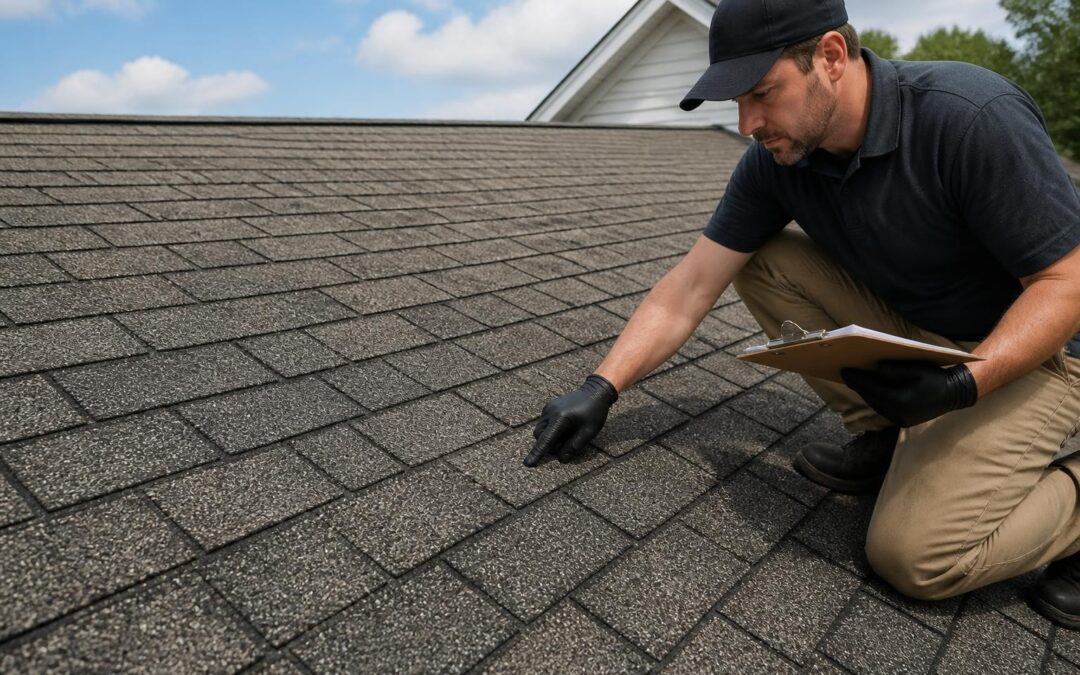
Asphalt shingles remain the most popular roofing material in North America, protecting millions of homes and commercial buildings with reliable, cost-effective performance. However, even the highest-quality asphalt roofing system requires consistent attention to deliver its expected lifespan of 20 to 30 years. Proper asphalt roof maintenance protects your investment, prevents costly emergency repairs, and ensures your roof performs optimally through Los Angeles's unique climate challenges. Understanding the fundamentals of inspection, cleaning, and preventative care empowers property owners to maximize their roof's durability while identifying problems before they escalate into major structural issues.
Understanding Asphalt Roof Vulnerabilities
Asphalt shingles face constant exposure to environmental stressors that gradually degrade their protective capabilities. UV radiation breaks down the asphalt binders that hold granules in place, while thermal cycling causes expansion and contraction that weakens adhesive seals between shingle layers. In Southern California, intense sun exposure accelerates these processes, making regular maintenance particularly important.
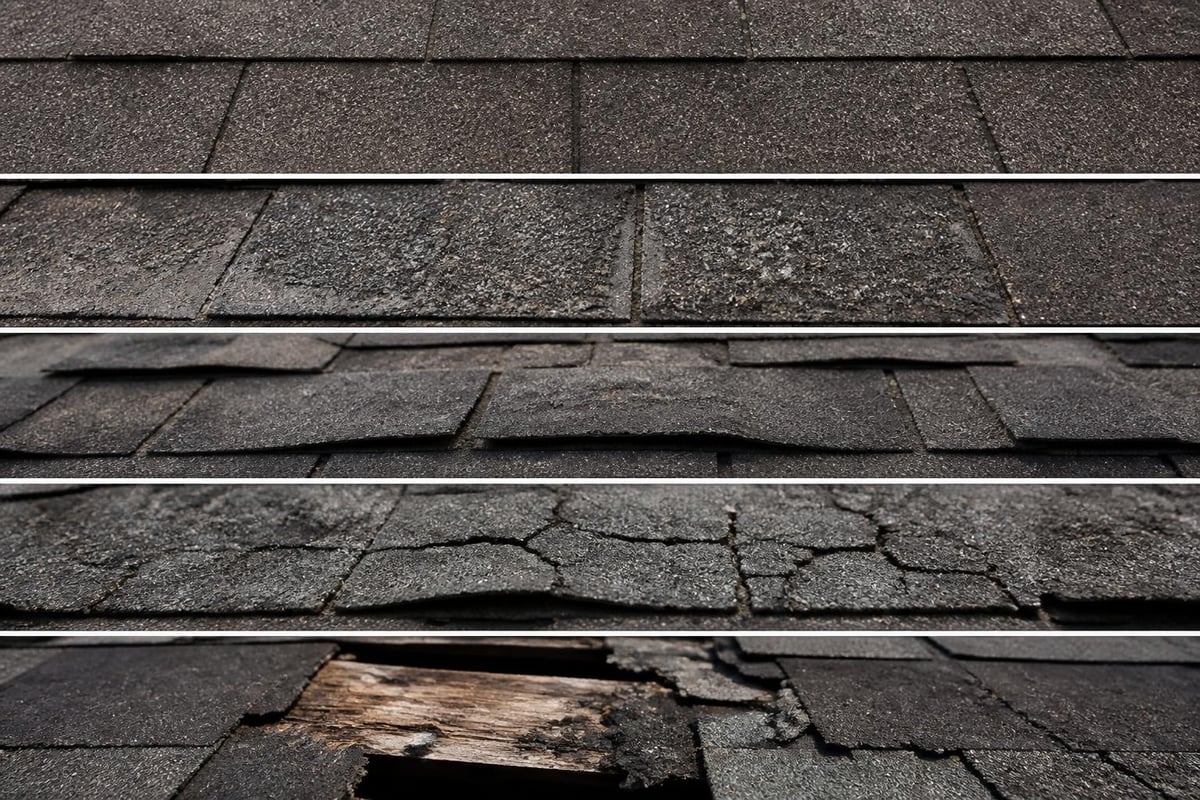
Common Degradation Patterns
Several predictable failure modes affect asphalt roofing systems as they age:
- Granule loss exposes underlying asphalt to direct UV damage and accelerates weathering
- Curling and cupping occurs when shingles lose flexibility and begin to deform
- Cracking and splitting develops along stress points, creating pathways for water infiltration
- Adhesive failure allows shingles to lift during high winds, compromising weather protection
- Algae and moss growth retains moisture and creates biological degradation
The rate at which these issues develop depends heavily on maintenance practices, climate conditions, and the quality of the original installation.
Climate Considerations for Los Angeles Properties
Los Angeles presents unique challenges for asphalt roof maintenance due to prolonged dry periods punctuated by intense winter storms. Extended UV exposure during rainless months degrades shingles faster than in more temperate climates. When storms arrive, brittle shingles may crack or lose adhesion suddenly.
Temperature fluctuations between scorching daytime heat and cool nights create mechanical stress cycles that fatigue roofing materials. Properties in inland valleys experience more extreme thermal cycling than coastal areas, necessitating more frequent inspections for heat-related damage.
Establishing an Inspection Schedule
The NRCA guidance on preventative maintenance recommends biannual inspections for residential roof systems, typically conducted in spring and fall. However, Los Angeles homeowners benefit from adjusted timing that accounts for local weather patterns.
Optimal Inspection Timing
A strategic inspection calendar maximizes early problem detection:
- Late winter (February-March) – Assess storm damage after the rainy season
- Early summer (June) – Check for winter wear before peak heat exposure
- Late fall (November) – Prepare for winter storms and verify repairs held through summer
- Post-event inspections – Examine roof after any severe weather, high winds, or nearby fires
Between professional inspections, homeowners should perform monthly visual checks from ground level using binoculars to spot obvious issues like missing shingles or visible debris accumulation.
Professional vs. DIY Inspection
| Inspection Type | Frequency | Best For | Limitations |
|---|---|---|---|
| Professional | 1-2 times/year | Detailed assessment, warranty compliance, safety | Higher cost, scheduling required |
| Homeowner visual | Monthly | Early problem detection, monitoring known issues | Limited access, expertise gaps |
| Post-storm check | As needed | Immediate damage identification | May miss subtle problems |
Professional inspections provide comprehensive assessments that homeowners cannot safely replicate. Roofers identify subtle indicators like incipient seal failures, proper ventilation function, and flashing integrity that escape untrained observation.
Core Asphalt Roof Maintenance Tasks
Effective maintenance combines proactive cleaning, debris removal, and minor repairs that prevent accelerated deterioration. Consistency matters more than intensity – regular attention stops small issues from becoming catastrophic failures.
Debris and Vegetation Management
Leaves, branches, and organic matter trap moisture against shingles, creating ideal conditions for algae growth and accelerating granule loss. Debris also blocks water flow, causing ponding that degrades asphalt and threatens leak development.
Remove accumulated debris at least quarterly, with additional clearing after windstorms or during fall leaf season. Pay special attention to valleys, where debris naturally concentrates and creates the highest risk of water backup. Use soft-bristle brooms or leaf blowers rather than pressure washers, which can dislodge granules and damage shingle surfaces.
Tree management plays an equally important role. Trim branches that overhang the roof by at least six feet to prevent debris accumulation, reduce shade that promotes moss growth, and eliminate pathways for rodents and insects to access the roof structure.
Gutter and Drainage System Care
Clogged gutters force water to back up under shingles, saturating roof decking and creating interior leaks. During Los Angeles's concentrated rainy season, overwhelmed drainage systems cause disproportionate damage in short timeframes.
Clean gutters and downspouts before and after the rainy season as a minimum baseline. Properties with significant tree coverage require monthly cleaning during fall. Verify that downspouts discharge at least five feet from the foundation to prevent water infiltration and erosion issues that compromise structural stability.
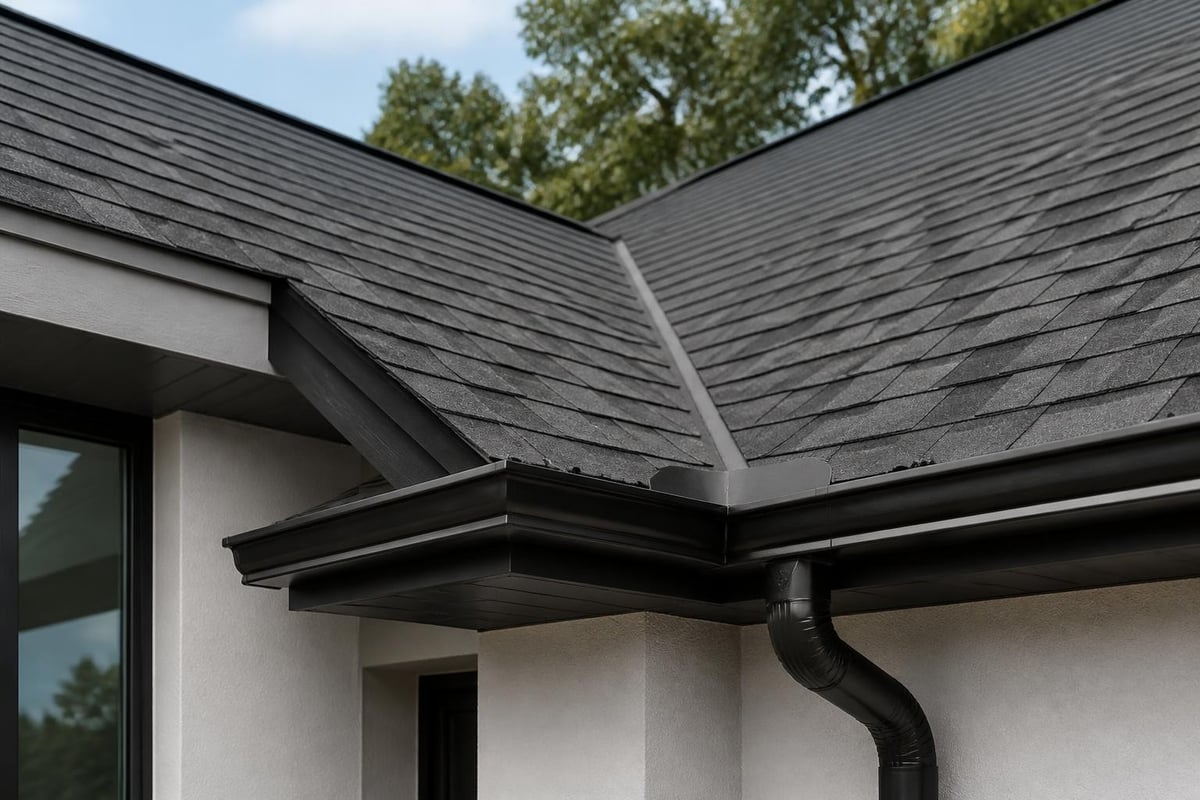
Inspect gutter attachments for secure fastening and proper slope. Sagging gutters indicate mounting failures that require immediate correction to restore proper drainage function and prevent fascia rot.
Addressing Algae, Moss, and Biological Growth
Dark streaks on asphalt shingles typically indicate gloeocapsa magma algae colonization, which feeds on limestone filler in shingle composition. While primarily cosmetic initially, algae growth accelerates granule loss and retains moisture that shortens roof lifespan. The ARMA technical bulletins provide detailed guidance on biological growth prevention and treatment.
Safe Cleaning Methods
Never use pressure washers on asphalt shingles, as high-pressure water streams blast away protective granules and void manufacturer warranties. Instead, apply cleaning solutions and allow chemical action to break down organic growth.
Effective cleaning approaches include:
- Oxygen bleach solutions (sodium percarbonate) offer environmentally friendly cleaning without chlorine's harsh effects
- Diluted sodium hypochlorite (1 part bleach to 3 parts water) kills algae effectively but requires careful vegetation protection
- Commercial roof cleaners formulated specifically for asphalt shingles balance effectiveness with material safety
- Zinc or copper strips installed at ridge lines provide ongoing algae prevention through metal ion runoff
Apply cleaning solutions on overcast days to prevent rapid evaporation that reduces effectiveness. Rinse thoroughly with garden hose pressure after appropriate dwell time, working from ridge to eaves to prevent solution from flowing under shingles.
Prevention Strategies
Proactive measures reduce biological growth more effectively than repeated cleaning cycles:
- Install zinc or copper strips along ridge lines, which release ions during rainfall that inhibit algae and moss growth
- Improve roof ventilation to reduce moisture accumulation that supports biological activity
- Trim trees to increase sunlight exposure, creating conditions less favorable for moss and algae
- Consider algae-resistant shingles during replacement, which incorporate copper granules for ongoing protection
Properties in shaded locations or areas with high humidity benefit most from preventative installations that address root causes rather than treating symptoms repeatedly.
Flashing and Seal Inspection
Flashing around chimneys, vent pipes, skylights, and roof penetrations represents the most common failure point in asphalt roofing systems. These transition areas experience concentrated stress from thermal movement and water flow, requiring careful attention during maintenance routines.
Critical Flashing Locations
Prioritize inspection at these high-risk areas:
- Chimney flashing – Check step flashing, counter-flashing, and cricket (saddle) integrity
- Vent pipe boots – Verify rubber seals remain flexible without cracking or separation
- Skylight perimeters – Examine curb flashing and verify sealant maintains weathertight barriers
- Valley flashing – Assess metal or woven valley condition and verify proper water channeling
- Drip edge – Confirm secure attachment and proper overhang for fascia protection
Look for rust stains, gaps, lifted edges, or deteriorated sealant that indicate compromised weather protection. Small flashing failures escalate quickly once water penetration begins, making early intervention essential.
Sealant Maintenance
Roof sealants and caulking deteriorate faster than shingles themselves, requiring periodic renewal to maintain weathertight performance. Inspect caulk beads around vent pipes, plumbing stacks, and electrical mast penetrations annually.
Dried, cracked, or missing sealant requires immediate replacement using high-quality polyurethane or elastomeric sealants rated for roof applications. Remove old sealant completely before applying fresh material to ensure proper adhesion and longevity. Proper roof repairs address these vulnerable areas before water infiltration causes interior damage or structural deterioration.
Ventilation System Verification
Adequate attic ventilation extends asphalt shingle life significantly by regulating temperature extremes and controlling moisture accumulation. The U.S. Department of Energy Guide to Cool Roofs emphasizes ventilation's role in thermal management and energy efficiency.
Ventilation Balance Assessment
Effective roof ventilation requires balanced intake (soffit or eave vents) and exhaust (ridge, gable, or power vents) airflow. Blocked vents or insufficient ventilation area creates heat and moisture problems that accelerate shingle aging.
During inspections, verify that:
- Soffit vents remain unobstructed by insulation, debris, or paint
- Ridge vents show no blockage from roofing debris or wasp nests
- Attic temperature stays within 10-20°F of outdoor temperature on hot days
- Condensation signs like water stains, mold, or frost are absent
Poor ventilation manifests as premature shingle deterioration, especially curling and thermal cracking concentrated in areas above inadequate airflow. During Los Angeles summers, attics without proper ventilation may exceed 150°F, literally cooking shingles from below.
Recognizing Repair vs. Replacement Indicators
Asphalt roof maintenance eventually reaches limits where repairs no longer provide cost-effective solutions. Understanding these thresholds helps property owners make informed decisions about continued maintenance versus system replacement.
Repair-Appropriate Conditions
Limited damage affecting less than 30% of the roof surface generally warrants repair rather than replacement:
- Isolated storm damage in otherwise sound shingles
- Flashing failures with intact surrounding shingles
- Individual shingle replacement for localized granule loss or cracking
- Valley repairs where metal remains structurally sound
- Vent boot replacement on newer roofs
Successful repairs extend roof life economically when underlying shingle integrity remains strong. However, repeated repairs in multiple locations often signal systemic deterioration that replacement addresses more effectively.
Replacement Indicators
| Condition | Severity | Action Timeline |
|---|---|---|
| Widespread granule loss | 50%+ of surface area | 1-2 years |
| Multiple leak locations | 3+ active leaks | 6-12 months |
| Shingle curling/cupping | Majority of roof | 1-2 years |
| Age exceeds 20 years | With visible wear | Plan replacement |
| Failed previous repairs | Recurring issues | Immediate evaluation |
When multiple indicators appear simultaneously, replacement typically provides better long-term value than attempting extensive repairs on a fundamentally compromised system. The team at Proof Your Roof can assess whether targeted repairs or complete replacement best serves your property's needs and budget.
Documentation and Record Keeping
Systematic maintenance records support warranty claims, inform future repair decisions, and provide valuable information for property transactions. The Asphalt Roofing Manufacturers Association emphasizes documentation as a core component of effective maintenance programs.
Essential Documentation Elements
Maintain organized records including:
- Inspection reports with dated photos of roof condition
- Repair invoices detailing work performed, materials used, and warranty coverage
- Product documentation including shingle specifications, warranty terms, and installation details
- Weather event notes documenting storms, hail, or wind that may have caused damage
- Cleaning schedules recording debris removal, gutter maintenance, and treatment applications
Digital photo archives prove particularly valuable, enabling side-by-side comparison of roof condition across inspection cycles. Photograph the same reference points consistently to track deterioration patterns and validate maintenance effectiveness.
Seasonal Preparation Strategies
Seasonal transitions present opportunities for targeted maintenance that prepares roofs for upcoming weather challenges. Los Angeles's Mediterranean climate requires different seasonal focus than regions with snow or extreme humidity.
Pre-Summer Preparation
Before intense summer heat arrives:
- Complete any needed repairs identified during spring inspection
- Verify adequate attic ventilation to manage thermal stress
- Clear debris that will dry out and become fire hazards
- Check that reflective coatings remain intact on cool-roof applications
- Document baseline condition before prolonged UV exposure
Pre-Winter Readiness
Before winter storms:
- Clean gutters and downspouts thoroughly
- Verify flashing integrity around all penetrations
- Check that valleys channel water freely without obstruction
- Trim overhanging branches before wind events
- Schedule professional inspection if roof age exceeds 15 years
The Penn State Extension roof maintenance resources provide research-based seasonal checklists adaptable to various climates and roof types.
Working Safely Around Asphalt Roofs
Roof access carries significant injury risks that homeowners should carefully evaluate before attempting DIY maintenance. Many inspection and cleaning tasks perform equally well from ground level or ladder stabilized at eave height.
When roof access becomes necessary:
- Work only in dry conditions with appropriate footwear providing traction
- Use proper fall protection equipment for roofs exceeding 6/12 pitch
- Never work alone – maintain ground-level safety observer
- Avoid walking on shingles during temperature extremes (below 40°F or above 85°F)
- Step on flat areas rather than edges or curled sections
Professional contractors possess specialized equipment, insurance coverage, and training that make them safer, faster, and often more cost-effective than DIY approaches for anything beyond basic visual inspection and debris removal.
Long-Term Value of Consistent Maintenance
Property owners who implement systematic asphalt roof maintenance programs achieve measurably better outcomes than those pursuing reactive repair strategies. Data consistently shows that proactive maintenance extends roof lifespan by 30-50% compared to neglected systems.
Financial benefits extend beyond longevity. Well-maintained roofs:
- Reduce energy costs through better reflectivity and thermal performance
- Prevent interior damage that costs far more than roof repairs
- Maintain property value and curb appeal for resale or refinancing
- Avoid emergency repair premiums during storms or leak crises
- Maximize warranty coverage by meeting manufacturer maintenance requirements
The modest annual investment in professional inspections and preventative cleaning delivers substantial returns through extended service life and avoided emergency costs. Consider maintenance as insurance against catastrophic failure rather than optional expense.
Regular asphalt roof maintenance protects your property investment while preventing expensive emergency repairs and premature replacement. By following consistent inspection schedules, addressing minor issues promptly, and understanding when professional expertise provides the best value, Los Angeles property owners maximize their roof's performance and longevity. Whether you need routine maintenance, targeted repairs, or expert assessment of your roof's condition, Proof Your Roof brings decades of experience serving residential and commercial properties throughout Los Angeles and surrounding areas with the quality and integrity your investment deserves.