
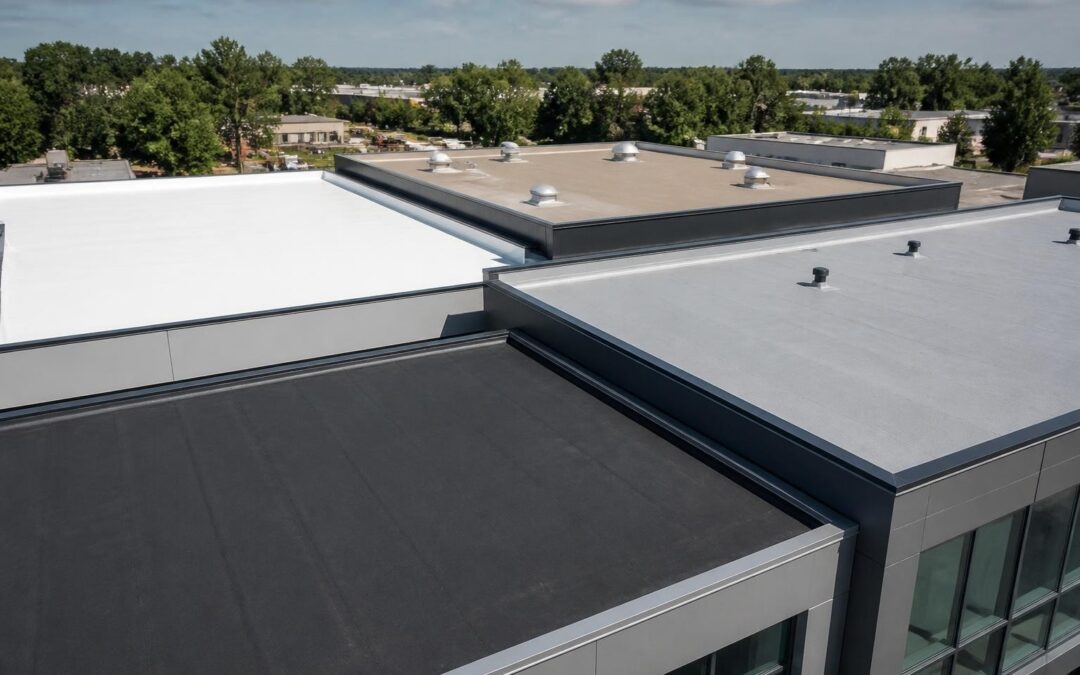
Searching for "flat roofers near me" signals more than just a casual interest in roofing services. Whether you're dealing with persistent leaks, planning a complete replacement, or building new construction, finding qualified contractors for flat or low-slope roofs requires specialized knowledge. Unlike pitched roofs, flat roofing systems demand specific materials, installation techniques, and maintenance expertise. This guide walks you through everything you need to know to hire the right professional for your flat roofing project in 2026.
Understanding Flat Roofing Systems
Flat roofs are not actually flat but have a slight pitch, typically between 1/4 inch to 1/2 inch per foot to facilitate water drainage. These low-slope systems are common on commercial buildings, modern residential designs, and specific architectural styles throughout Los Angeles and urban areas.
Common Flat Roofing Materials
When evaluating flat roofers near me, understanding material options helps you ask informed questions and compare proposals accurately.
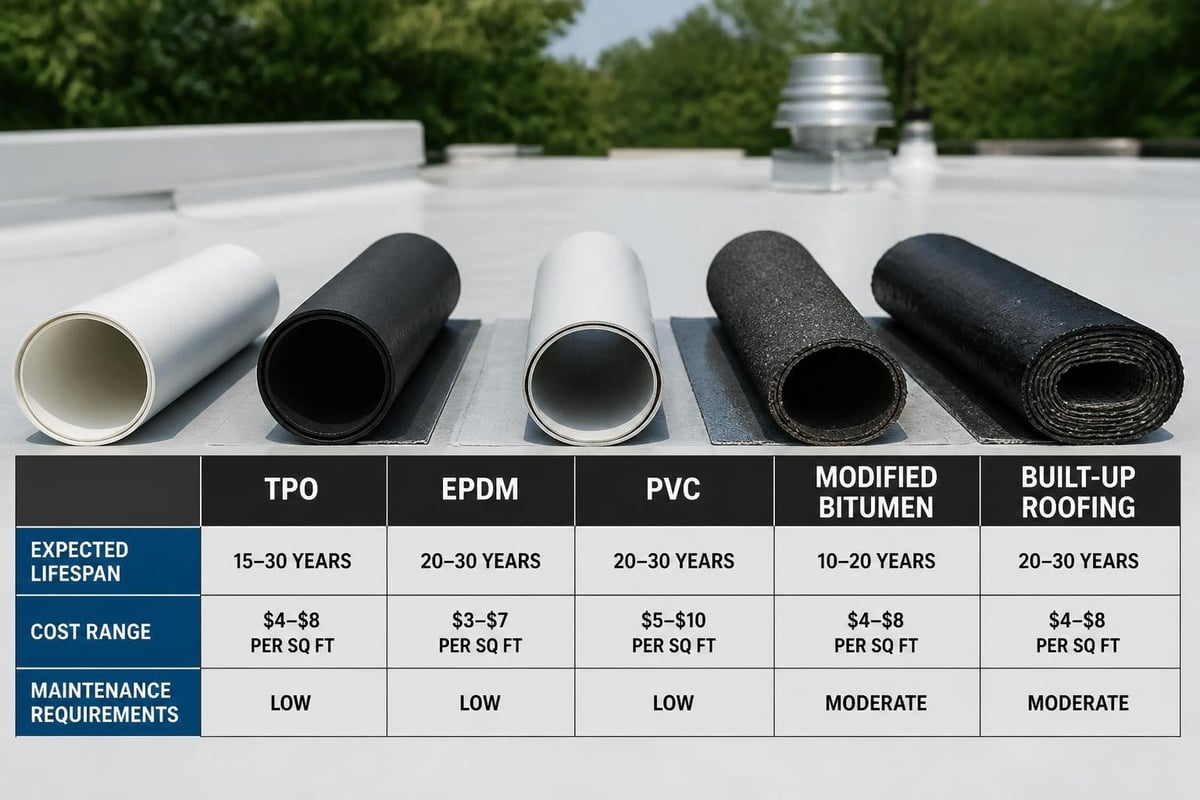
Single-ply membrane systems dominate the commercial market:
- TPO (Thermoplastic Polyolefin): Heat-welded seams, white reflective surface, excellent UV resistance
- EPDM (Ethylene Propylene Diene Monomer): Black rubber membrane, proven durability, cost-effective
- PVC (Polyvinyl Chloride): Chemical-resistant, heat-welded seams, premium pricing
Built-up roofing (BUR) layers asphalt or tar between reinforcing fabrics, creating a multi-ply system. This traditional approach offers proven longevity but requires experienced installation.
Modified bitumen combines asphalt with modifiers and reinforcement, applied in rolls with torch-down, cold-adhesive, or self-adhering methods.
The NRCA’s technical roofing guidelines provide detailed specifications for each system, helping contractors follow industry best practices during installation.
What Sets Qualified Flat Roofers Apart
Not all roofing contractors possess equal expertise with flat systems. When searching for flat roofers near me, specific qualifications separate professionals from generalists.
Essential Credentials and Experience
| Qualification | Why It Matters | What to Verify |
|---|---|---|
| License | Legal requirement, proof of minimum standards | Current state license number, no violations |
| Insurance | Protects you from liability | General liability AND workers' compensation |
| Manufacturer certifications | Training on specific systems | Current certifications from TPO, EPDM, or PVC manufacturers |
| Flat roof portfolio | Demonstrates relevant experience | Recent projects similar to yours |
Specialized training in membrane installation, proper drainage design, and leak detection distinguishes experts from general contractors who occasionally work on flat roofs. Ask candidates about their experience with your specific building type and chosen roofing material.
Warranty Coverage Structure
Reputable flat roofers offer two distinct warranties. Workmanship warranties cover installation defects for typically 5-10 years. Manufacturer material warranties range from 10-30 years depending on the product. The strongest protection comes from "no-dollar-limit" warranties that cover full replacement costs rather than prorated values.
Some contractors achieve "certified applicator" status with manufacturers, unlocking enhanced warranty options unavailable to standard installers. This certification requires proven installation quality and ongoing training commitments.
Questions to Ask During the Selection Process
Transform your search for flat roofers near me into a structured evaluation by asking these critical questions during initial consultations.
Technical Expertise Assessment
- How many flat roofs have you installed in the past year? Look for contractors who complete at least 15-20 flat roof projects annually.
- What membrane systems do you regularly install? Specialists work with multiple systems and can explain when each makes sense.
- How do you handle drainage design? Proper drainage prevents ponding water, the primary enemy of flat roofs.
- What substrate preparation do you perform? Quality installations require proper deck inspection and preparation.
- How do you manage penetrations and transitions? Flashings around vents, HVAC units, and parapet walls require meticulous detailing.
Project Management and Communication
Establish clear expectations about project logistics:
- Timeline from contract signing to completion
- Daily work hours and site access requirements
- Debris removal and site cleanup protocols
- Communication method and frequency during the project
- How weather delays will be handled
The Consumer Financial Protection Bureau provides guidance on working with contractors, including essential contract elements and payment protection strategies.
Evaluating Proposals and Pricing
Receiving multiple bids helps establish fair market pricing, but the lowest estimate rarely delivers the best value. When comparing proposals from flat roofers near me, look beyond the bottom line.
What Complete Proposals Include
Comprehensive estimates detail every project component:
- Tear-off scope: Number of existing layers being removed, disposal method
- Substrate work: Deck repairs, insulation replacement, slope adjustment
- Primary roofing system: Specific manufacturer, product line, thickness, and color
- Drainage components: New drains, overflow drains, scuppers
- Flashings and terminations: All penetration details, edge metal, counterflashings
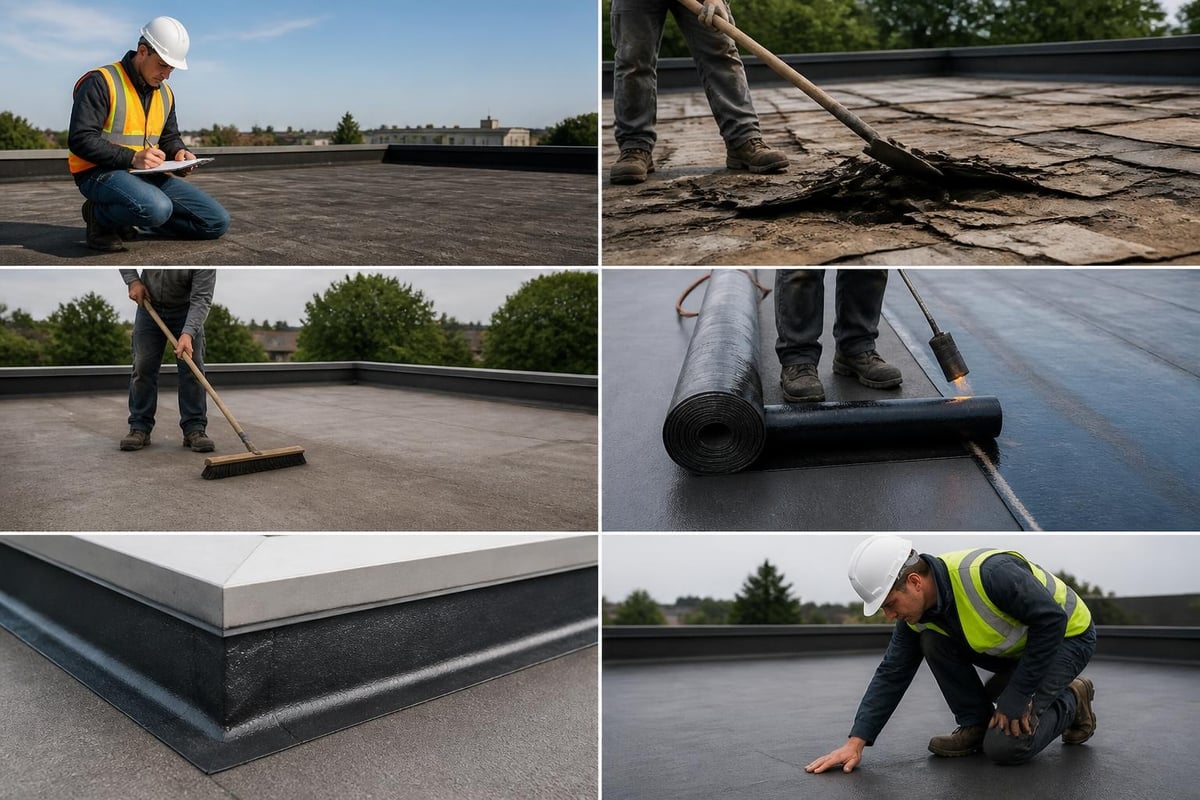
- Cleanup and final inspection: Magnet sweep, debris removal, warranty documentation
Vague line items like "install new flat roof" signal incomplete planning. Detailed specifications protect both parties and prevent costly change orders.
Pricing Factors for Flat Roofs
Multiple variables influence final project costs:
Square footage forms the baseline, but flat roofs are measured in "squares" (100 square feet). A 2,000-square-foot roof equals 20 squares.
Material selection creates significant price variation. EPDM typically costs $4-8 per square foot installed, TPO runs $5-10, and PVC ranges $7-12.
Removal complexity depends on existing layer count and disposal requirements. Removing multiple built-up layers costs more than single-ply removal.
Structural repairs add expense when decking shows rot, sagging, or insufficient structural capacity.
Access challenges increase labor when buildings lack roof access or require crane equipment for material delivery.
Energy-efficient cool roof systems may qualify for local rebates. ENERGY STAR provides information on reflective roofing benefits and potential incentive programs in California.
Red Flags to Watch During Contractor Screening
While searching for flat roofers near me, certain warning signs indicate contractors to avoid regardless of attractive pricing.
Problematic Business Practices
Pressure tactics demanding immediate decisions or deposit payments before providing detailed written estimates suggest desperation or dishonesty. Professional contractors understand roofing is a significant investment requiring careful consideration.
Cash-only requests eliminate paper trails and often signal tax evasion. Legitimate businesses accept checks, credit cards, or financing arrangements while providing proper documentation.
Lack of local presence makes accountability difficult after project completion. Contractors should have physical offices, not just post office boxes or out-of-state addresses.
Incomplete licensing or insurance creates liability exposure. Always verify current credentials independently rather than trusting contractor-provided copies, which may be expired or falsified.
Technical Warning Signs
Proposals that omit critical details raise concerns. Research on wind performance shows proper attachment methods are essential for flat roof durability, yet some contractors cut corners on fastening patterns.
Recommending only one material option without discussing alternatives suggests limited expertise or kickback arrangements with suppliers.
Skipping drainage evaluation ignores the primary flat roof failure mechanism. Ponding water accelerates membrane deterioration and should be addressed through proper slope design.
Unwillingness to provide references from recent similar projects prevents verification of work quality and customer satisfaction.
Maintenance and Long-Term Considerations
Hiring qualified flat roofers near me extends beyond initial installation. Long-term performance requires ongoing maintenance and eventual repairs.
Preventive Maintenance Programs
Semi-annual inspections catch minor issues before they escalate. Spring and fall evaluations should examine:
- Membrane surface for punctures, tears, or shrinkage
- Seams and terminations for separation
- Drains and scuppers for debris blockage
- Flashings for deterioration or detachment
- Ponding areas after rainfall
Debris removal prevents drain clogs and membrane damage. Leaves, branches, and rooftop equipment debris trap moisture and accelerate deterioration.
Immediate leak response minimizes interior damage and prevents secondary issues. When addressing persistent water intrusion, experienced professionals can diagnose complex leak paths that aren't always directly above interior water stains. Roof repairs require specialized knowledge to identify the actual entry point and implement lasting solutions rather than temporary patches that fail within months.
Service Life Expectations
| Material | Expected Lifespan | Maintenance Level | Replacement Indicators |
|---|---|---|---|
| EPDM | 20-25 years | Low | Widespread cracking, seam failures |
| TPO | 15-20 years | Low | Brittleness, shrinkage, seam separation |
| PVC | 20-30 years | Low | Plasticizer loss, brittleness |
| Modified Bitumen | 15-20 years | Moderate | Surface granule loss, extensive cracking |
| Built-Up (BUR) | 20-30 years | Moderate-High | Multiple blister areas, widespread cracking |
These ranges assume proper installation and regular maintenance. Neglected roofs fail prematurely while well-maintained systems often exceed expected lifespans.
Sustainable and Advanced Flat Roofing Options
Modern flat roofing technology extends beyond traditional waterproofing. When discussing options with flat roofers near me, consider enhanced-performance systems.
Cool Roof Technology
Reflective membranes reduce cooling costs by rejecting solar heat. White TPO and PVC naturally provide high solar reflectance, while specially formulated EPDM and coatings achieve similar performance.
The U.S. Department of Energy’s cool roof guide demonstrates energy savings potential, particularly valuable in Los Angeles' climate. Cool roofs can reduce surface temperatures by 50-60°F compared to traditional dark membranes.
California Title 24 energy code requirements increasingly favor cool roofing products on commercial buildings. Compliance creates long-term value while meeting regulatory standards.
Green Roof Systems
Vegetated roofing layers provide multiple benefits:
- Stormwater retention reduces runoff volume
- Extended membrane lifespan through UV protection
- Urban heat island mitigation
- Enhanced insulation performance
- Biodiversity support in urban environments
EPA research on green roofs documents stormwater management benefits, while peer-reviewed studies compare vegetation types for optimal hydrological performance.
Green roofs require additional structural capacity and specialized maintenance but deliver measurable environmental and economic returns. Not all contractors offering standard flat roofing possess green roof expertise, making careful contractor selection even more critical.
Local Code Compliance and Permitting
Successful flat roof projects navigate municipal requirements efficiently. When hiring flat roofers near me, ensure they handle permitting and inspection coordination.
Permit Requirements
Most jurisdictions require permits for:
- Complete roof replacement removing existing membrane down to decking
- Structural modifications changing roof slope or reinforcing framing
- Major repairs exceeding defined square footage thresholds
Re-roofing without removal may not require permits in some areas but verify local regulations. Los Angeles has specific requirements varying by building type and project scope.
Inspection Process
Municipal inspectors verify:
- Proper deck attachment and structural adequacy
- Correct insulation installation and R-values
- Membrane application per manufacturer specifications
- Appropriate flashing details at all penetrations and terminations
- Drainage functionality and secondary overflow provisions
Failed inspections delay project completion and potentially void warranties. Experienced contractors anticipate inspector expectations and prepare accordingly.
Making Your Final Decision
After gathering proposals, checking references, and verifying credentials, synthesize information to select the right contractor for your flat roof project.
Reference Check Questions
Contact at least three recent customers with similar projects:
- Did the contractor complete work on schedule?
- Were there unexpected costs beyond the initial proposal?
- How did they handle problems that arose during installation?
- Was the job site kept clean and safe?
- Would you hire them again for future roofing work?
- How has the roof performed since installation?
Contract Essentials
Before signing, ensure contracts specify:
- Detailed scope matching proposal descriptions
- Material specifications including manufacturer and product line
- Project timeline with start date and substantial completion deadline
- Payment schedule tied to milestones, never full payment upfront
- Warranty terms for both workmanship and materials
- Change order procedures documenting how additional work will be priced
- Lien waiver process protecting you from subcontractor or supplier claims
Review contracts carefully and request clarification on any ambiguous language. Consider having an attorney review contracts for large commercial projects.
Finding qualified flat roofers near me requires understanding specialized materials, asking informed questions, and evaluating contractors on expertise rather than price alone. The right professional brings proven experience with your specific roofing system, transparent communication, and commitment to quality workmanship. Proof Your Roof brings decades of flat and low-slope roofing experience to residential and commercial properties throughout Los Angeles, offering expert installation, repair, and maintenance across all major membrane systems with manufacturer-backed warranties and responsive service.