
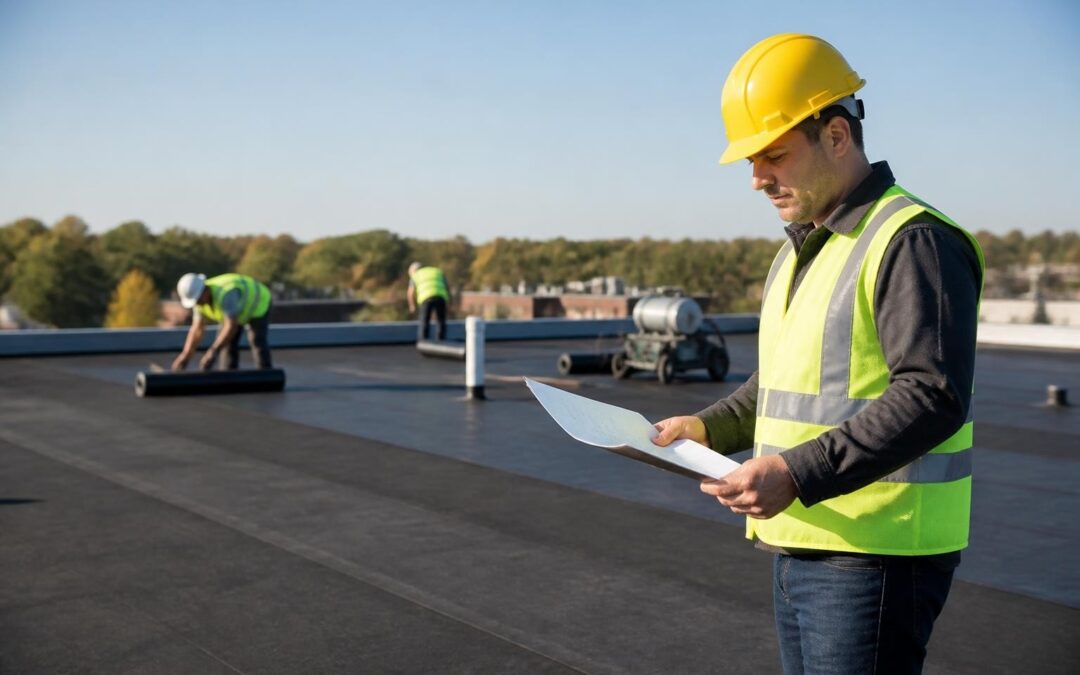
Replacing a flat roof represents one of the most significant investments property owners will make in their building's lifecycle. Understanding the flat roof replacement cost helps you budget appropriately, select the right materials, and plan for long-term value. Whether you own a commercial building in Los Angeles or manage a residential property with a low-slope roof, knowing what drives replacement expenses ensures you make informed decisions that protect your investment for decades to come.
Understanding Flat Roof Replacement Cost Variables
The flat roof replacement cost depends on multiple interconnected factors that vary significantly from project to project. Unlike pitched roofs, flat roofs require specialized materials and installation techniques that directly influence pricing.
Material Selection and Pricing
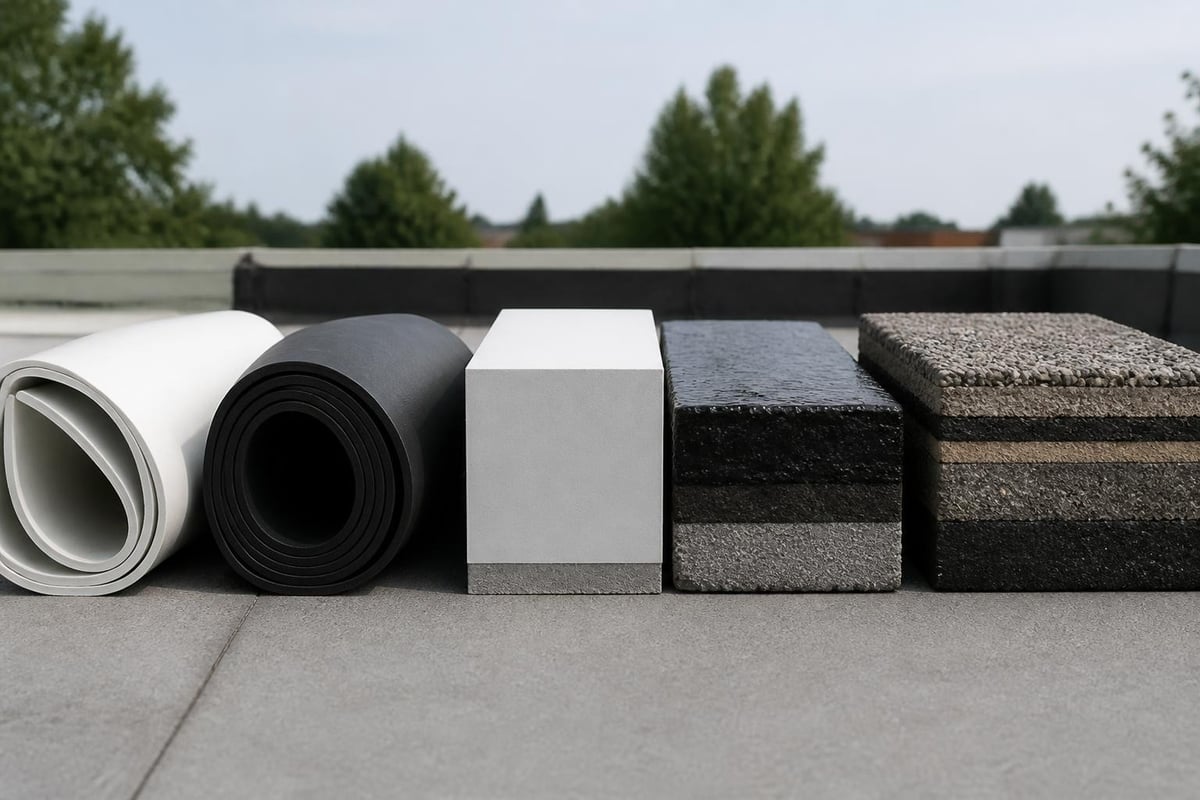
Different roofing membranes carry distinct price points and performance characteristics. TPO (Thermoplastic Polyolefin) typically costs between $5.50 and $8.50 per square foot installed, offering excellent UV resistance and energy efficiency. EPDM (rubber membrane) ranges from $4.50 to $7.00 per square foot, providing durability at a lower entry price. PVC roofing commands premium pricing at $7.00 to $12.00 per square foot but delivers superior chemical resistance and longevity.
Built-up roofing (BUR) systems fall between $6.00 and $10.00 per square foot, while modified bitumen costs $3.50 to $6.50 per square foot. The Building America Solution Center provides detailed technical guidance on low-slope roof assemblies that influence material selection and long-term performance.
| Material Type | Cost per Sq Ft | Expected Lifespan | Best Application |
|---|---|---|---|
| TPO | $5.50 – $8.50 | 20-30 years | Commercial buildings |
| EPDM | $4.50 – $7.00 | 15-25 years | Residential flat roofs |
| PVC | $7.00 – $12.00 | 25-35 years | Industrial facilities |
| Modified Bitumen | $3.50 – $6.50 | 15-20 years | Budget-conscious projects |
| Built-Up Roofing | $6.00 – $10.00 | 20-30 years | Heavy traffic areas |
Roof Size and Accessibility
Square footage directly impacts total flat roof replacement cost, but economies of scale apply. Larger roofs often see lower per-square-foot costs due to material purchasing power and installation efficiency. A 1,000-square-foot roof might cost $8,000 to $12,000 total, while a 5,000-square-foot roof could run $30,000 to $50,000, demonstrating a lower unit cost as size increases.
Accessibility challenges add expense. Roofs requiring crane access, located in dense urban areas like downtown Los Angeles, or positioned on buildings without elevator access increase labor costs by 15 to 30 percent. Limited staging areas and parking restrictions further complicate logistics.
Removal and Disposal Costs
Tear-off expenses constitute a substantial portion of flat roof replacement cost. Removing existing roofing materials costs $1.00 to $3.00 per square foot depending on the number of layers and material type. Multiple layers, common in older buildings, increase removal complexity and disposal fees.
Los Angeles County disposal regulations and landfill fees affect final costs. Responsible contractors factor in proper waste management and recycling where applicable. Some materials, particularly those containing asbestos in buildings constructed before the 1980s, require specialized abatement procedures that dramatically increase removal expenses.
Labor and Installation Considerations
Professional installation quality determines your roof's performance and longevity. Labor represents approximately 40 to 60 percent of total flat roof replacement cost, making contractor selection critical.
Regional Labor Rate Variations
California's construction labor rates exceed national averages significantly. Los Angeles area roofing crews command $70 to $120 per hour depending on skill level and union affiliation. Licensed contractors carry higher overhead but provide essential insurance coverage, warranty backing, and compliance with state regulations.
Prevailing wage requirements on public works projects or certain commercial buildings substantially increase labor costs. Private residential and commercial projects maintain more flexibility, though quality workmanship remains non-negotiable regardless of project type.
- Union labor rates: $90-$120 per hour
- Non-union licensed contractors: $70-$95 per hour
- Project management overhead: 15-25% of labor costs
- Supervision and quality control: $500-$1,500 per project
Installation Complexity
Penetrations, drainage systems, and existing conditions affect installation time and complexity. Roofs with numerous HVAC units, skylights, or vent pipes require careful flashing details that increase labor hours. The NRCA’s technical resources provide industry-standard practices for proper installation around these critical areas.
Substrate condition matters tremendously. Damaged decking requires replacement before membrane installation, adding $3.50 to $8.00 per square foot depending on material choice. Structural repairs, moisture damage remediation, or insulation upgrades extend project timelines and budgets considerably.
Energy Efficiency and Cool Roof Options
Energy-efficient roofing systems impact both upfront flat roof replacement cost and long-term operational expenses. Cool roof technologies deliver measurable energy savings in California's climate while qualifying for rebates and incentives.
Cool Roof Benefits and Costs
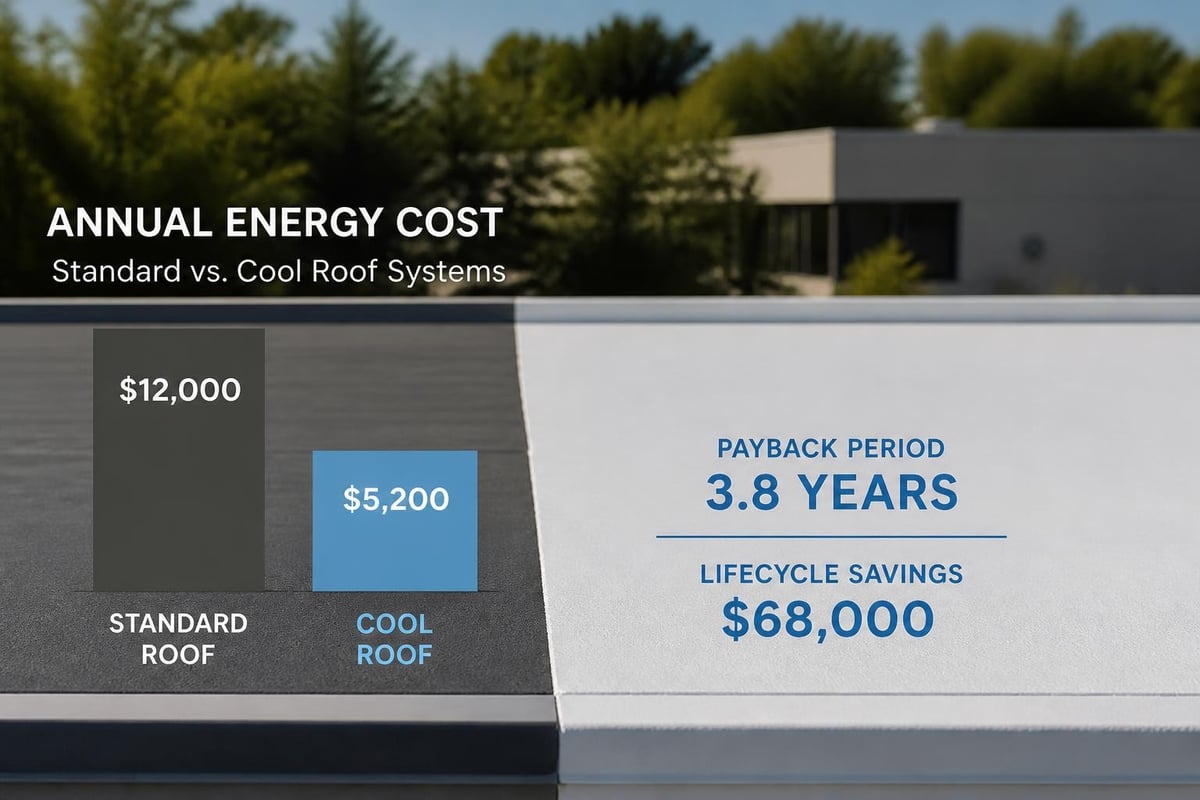
Cool roofing materials reflect solar radiation and emit absorbed heat more effectively than standard membranes. White TPO and PVC naturally provide cool roof performance, while darker EPDM requires special coatings. Premium cool roof membranes add $0.50 to $2.00 per square foot but reduce cooling costs by 10 to 30 percent annually.
California's Title 24 energy code mandates specific cool roof performance standards for most new construction and reroof projects. ENERGY STAR certified products meet stringent reflectance and emittance criteria, often qualifying for utility rebates that offset higher material costs.
The Cool Roof Rating Council certifies products and provides ratings that inform code compliance and energy modeling. Choosing CRRC-rated materials ensures your investment meets regulatory requirements while maximizing energy performance.
Insulation Upgrades
Existing flat roofs often lack adequate insulation by current standards. Adding or upgrading insulation during replacement improves energy performance and meets code requirements. Polyisocyanurate (polyiso) insulation costs $1.50 to $3.50 per square foot installed, while XPS foam runs $2.00 to $4.00 per square foot.
Tapered insulation systems create positive drainage on flat roofs, eliminating ponding water that shortens roof life. Tapered systems add $1.00 to $2.50 per square foot but prevent premature membrane failure caused by standing water. Building Science Corporation’s research demonstrates how proper drainage and condensation control extend roof service life significantly.
Permits, Inspections, and Code Compliance
Regulatory compliance adds necessary costs to flat roof replacement projects. Los Angeles building codes require permits for most reroof projects, and inspections ensure work meets minimum standards.
Permit Requirements
Building permits for flat roof replacement in Los Angeles typically cost $500 to $2,000 depending on project size and scope. Commercial projects face higher permit fees and more extensive plan review processes. Permit timelines extend project schedules by one to three weeks in most cases.
Licensed contractors handle permit applications and coordinate inspections as part of their service. Working without permits risks stop-work orders, fines, and complications when selling your property. Proper permitting protects your investment and ensures code-compliant work.
Structural Calculations
Some jurisdictions require structural calculations for flat roof replacements, particularly when changing materials or adding insulation that increases dead load. Structural engineering fees range from $800 to $3,000 for residential projects and $2,000 to $8,000 for commercial buildings.
Seismic considerations in California necessitate proper attachment methods and wind uplift resistance. The GSA’s facilities standards provide authoritative guidance on performance requirements that inform commercial flat roof specifications and cost estimating.
Additional Cost Factors
Several supplementary expenses affect total flat roof replacement cost beyond basic material and labor calculations. Understanding these variables prevents budget surprises midproject.
Warranty and Maintenance Programs
Manufacturer warranties vary from 10 to 30 years depending on material quality and installation certification. Extended warranties cost $500 to $3,000 additional but provide valuable coverage against material defects. Contractor workmanship warranties typically cover two to ten years, with longer coverage indicating contractor confidence.
Annual maintenance programs preserve warranty validity and extend roof life. Preventive maintenance costs $0.15 to $0.40 per square foot annually but identifies minor issues before they become expensive failures. Proof Your Roof offers comprehensive roof replacement services that include maintenance planning to protect your investment throughout its service life.
Drainage Improvements
Inadequate drainage causes premature flat roof failure. Adding or repositioning drains, scuppers, or downspouts costs $300 to $1,200 per drain location. Internal drains require plumbing work that increases complexity and expense compared to edge scuppers.
Cricket installations around rooftop equipment divert water away from vulnerable areas. Custom sheet metal crickets cost $400 to $1,500 each depending on size and complexity. These investments prevent costly water intrusion that damages building interiors and structural components.
| Enhancement | Cost Range | Benefit |
|---|---|---|
| Extended warranty | $500 – $3,000 | 20-30 year material coverage |
| Annual maintenance | $0.15 – $0.40/sq ft | Extends roof life 5-10 years |
| Additional drains | $300 – $1,200 each | Eliminates ponding water |
| Equipment crickets | $400 – $1,500 each | Prevents water accumulation |
| Edge metal upgrade | $8 – $18/linear ft | Enhances weather protection |
Seasonal Timing Considerations
Scheduling affects flat roof replacement cost through weather-related delays and contractor availability. Los Angeles's mild climate permits year-round roofing work, but winter rains can extend project timelines. Summer and fall represent peak seasons when contractor schedules fill quickly and pricing remains firm.
Off-season scheduling during late winter sometimes yields modest cost savings as contractors maintain crew utilization. However, weather delays risk extending projects into busier periods. Most property owners find value in scheduling during optimal weather windows even at standard pricing.
Commercial vs. Residential Cost Differences
Flat roof replacement cost structures differ between commercial and residential applications due to scale, complexity, and performance requirements.
Commercial Project Considerations
Commercial flat roofs average 5,000 to 50,000 square feet or larger, creating economies of scale that reduce per-square-foot costs. However, commercial projects carry additional expenses including:
- Traffic-rated membranes and walkway pads for rooftop equipment access
- Fire-rated assemblies meeting commercial building codes
- Enhanced wind uplift ratings for taller buildings
- Coordination with ongoing business operations to minimize disruption
- Extended contractor insurance requirements and bonding
Total commercial flat roof replacement cost typically ranges from $6.00 to $15.00 per square foot depending on these factors. The IBHS guidance on low-slope systems addresses resilience considerations that affect commercial roof specifications and long-term cost performance.
Residential Flat Roof Projects
Residential flat roofs, common on modern contemporary homes and mid-century ranch styles in Los Angeles, typically measure 800 to 3,000 square feet. Smaller scale increases per-square-foot costs but simplifies logistics and reduces total project expense.
Residential flat roof replacement cost averages $7.00 to $12.00 per square foot for quality installations. Homeowners prioritize aesthetics, energy efficiency, and quiet operation more than commercial building owners, influencing material selection toward premium options like PVC or coated EPDM.
Cost breakdown comparison showing material, labor, and additional expenses for commercial versus residential flat roof replacement projects
Getting Accurate Estimates
Precise flat roof replacement cost estimates require professional inspection and detailed scoping. Multiple quotes from licensed, insured contractors provide pricing benchmarks and reveal value differences.
What Contractors Should Assess
Comprehensive estimates account for all project variables. Qualified contractors examine substrate condition, existing drainage performance, penetration details, edge conditions, and access challenges. Thermal imaging identifies hidden moisture damage that affects replacement scope and costs.
Request itemized proposals that separate material, labor, permits, disposal, and supplementary work. Line-item clarity allows accurate comparison between contractors and helps identify where value differences originate. Bundled "all-in" pricing obscures important details that affect project quality.
Questions to Ask Contractors
Effective contractor vetting protects your investment and ensures realistic budgeting:
- What warranties cover materials and workmanship?
- How does your company handle change orders and unexpected conditions?
- What project timeline do you anticipate, including weather contingencies?
- Are you licensed, bonded, and insured with California-compliant coverage?
- Can you provide references from similar flat roof replacement projects?
- Which membrane manufacturer certifications does your crew hold?
Licensed contractors provide detailed contracts, maintain workers' compensation coverage, and stand behind their installations. Selecting qualified professionals may increase flat roof replacement cost modestly but dramatically reduces risk of poor workmanship, callbacks, and premature failure. Many homeowners research professional roofing services to find experienced contractors who understand local conditions and building codes.
Long-Term Value Considerations
Initial flat roof replacement cost represents only part of total ownership expense. Life-cycle costing accounts for maintenance, energy performance, and expected service life to determine true value.
Return on Investment Analysis
Premium roofing systems with higher upfront costs often deliver superior ROI through extended service life and reduced maintenance. A $15,000 PVC roof lasting 30 years costs $500 annually, while a $9,000 modified bitumen roof lasting 18 years costs $500 annually but requires replacement sooner.
Energy savings from cool roof technologies compound over time. A 3,000-square-foot commercial building might save $1,200 to $2,400 annually on cooling costs with a reflective membrane, recovering the cool roof premium within three to seven years. These savings continue throughout the roof's entire service life.
Maintenance and Repair Costs
Flat roofs require regular maintenance to achieve expected lifespans. Annual inspections cost $200 to $500 and identify minor issues before they escalate. Clearing drains, resealing penetrations, and addressing small punctures costs $300 to $1,500 annually depending on roof size and condition.
Deferred maintenance accelerates deterioration and shortens roof life significantly. Property owners who invest in preventive care typically extend roof service life by 20 to 40 percent compared to those who neglect routine upkeep. This maintenance approach reduces lifecycle flat roof replacement cost by delaying major reinvestment.
Understanding flat roof replacement cost empowers property owners to make informed decisions that balance upfront investment with long-term performance and value. From material selection through installation quality and ongoing maintenance, each choice affects both immediate expense and lifecycle costs. Whether you manage a commercial building or own a residential property with a flat roof, Proof Your Roof brings decades of experience serving Los Angeles property owners with transparent pricing, quality workmanship, and comprehensive warranties that protect your investment for years to come.